TECH

Tech

Regulations, engineering, and what they enable. Powertrain architectures, aerodynamic envelopes, energy-deployment systems, balance-of-performance, the rulebook as a competitive surface. What changed, why it changed, what it actually does.

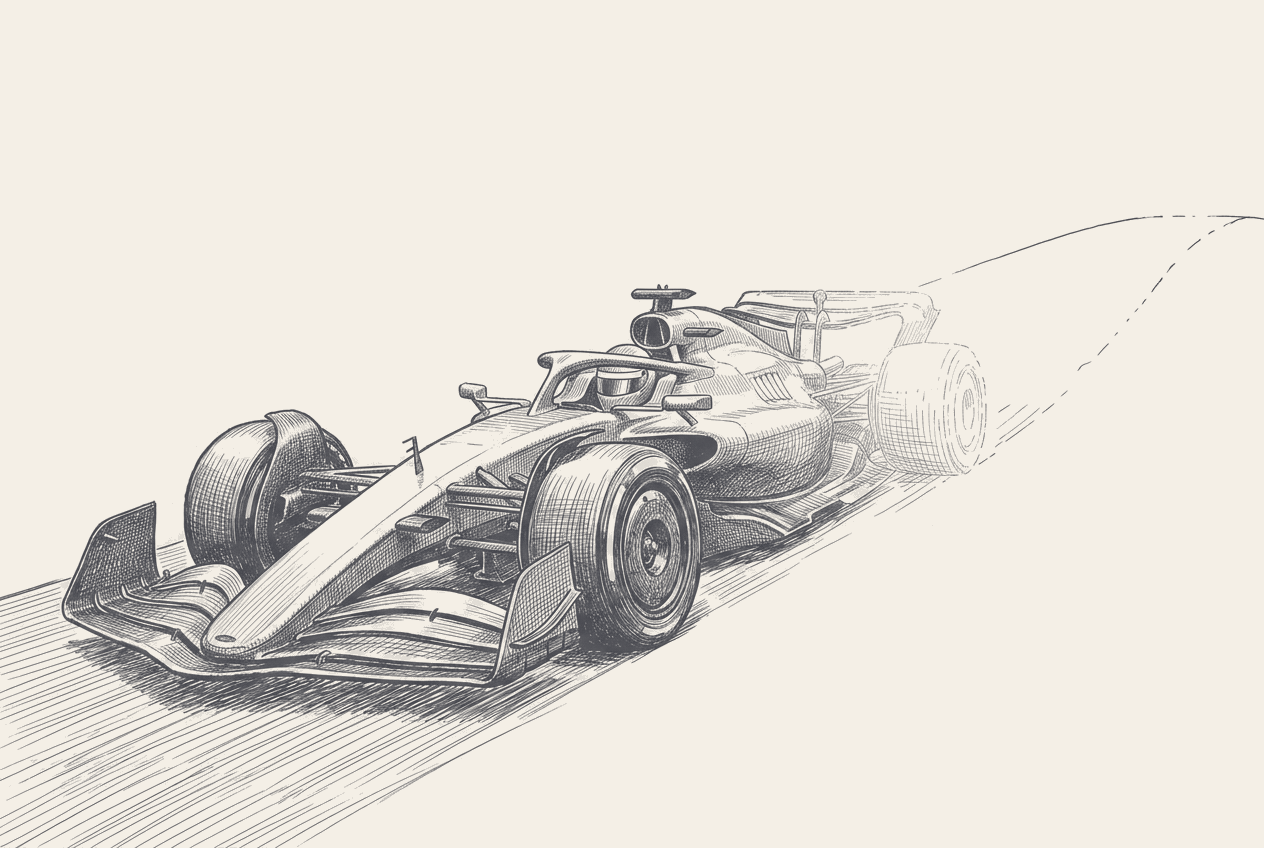
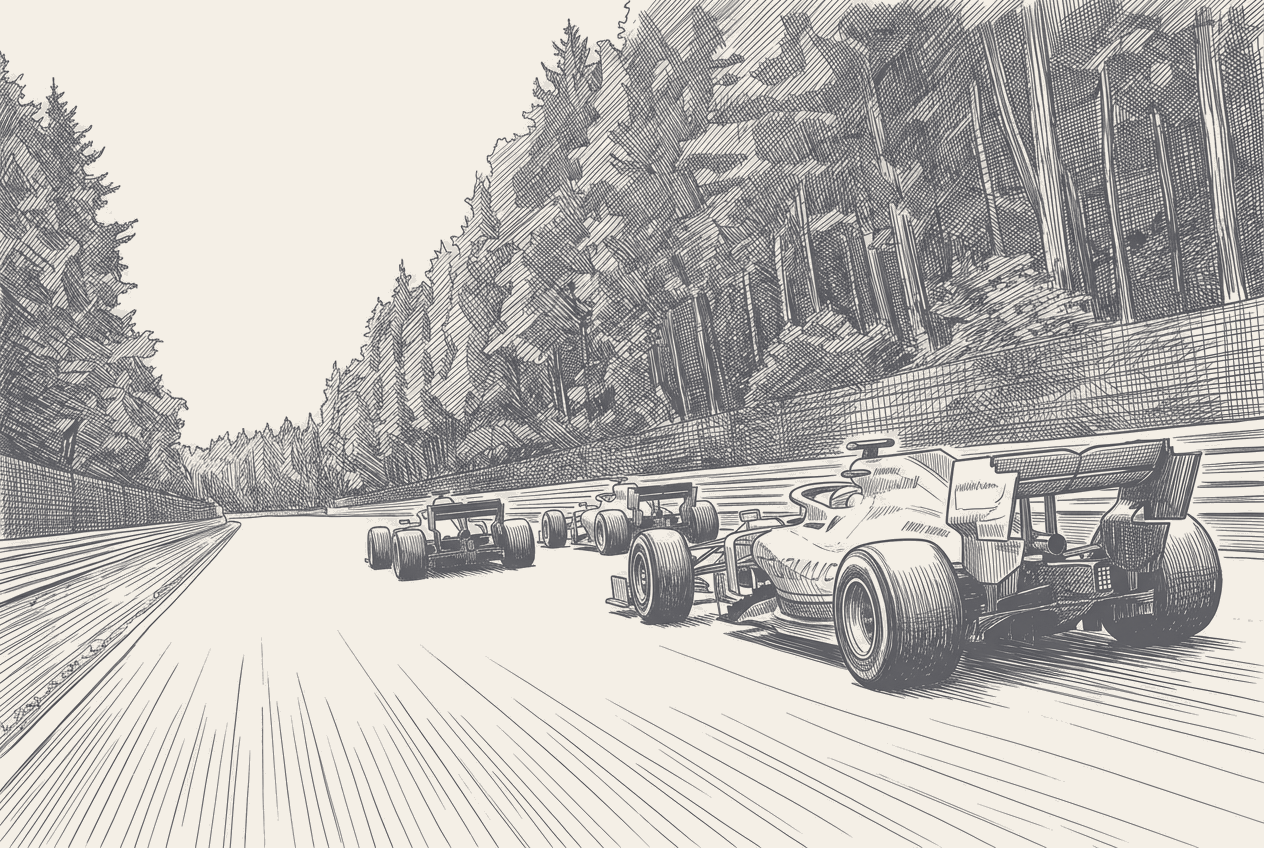
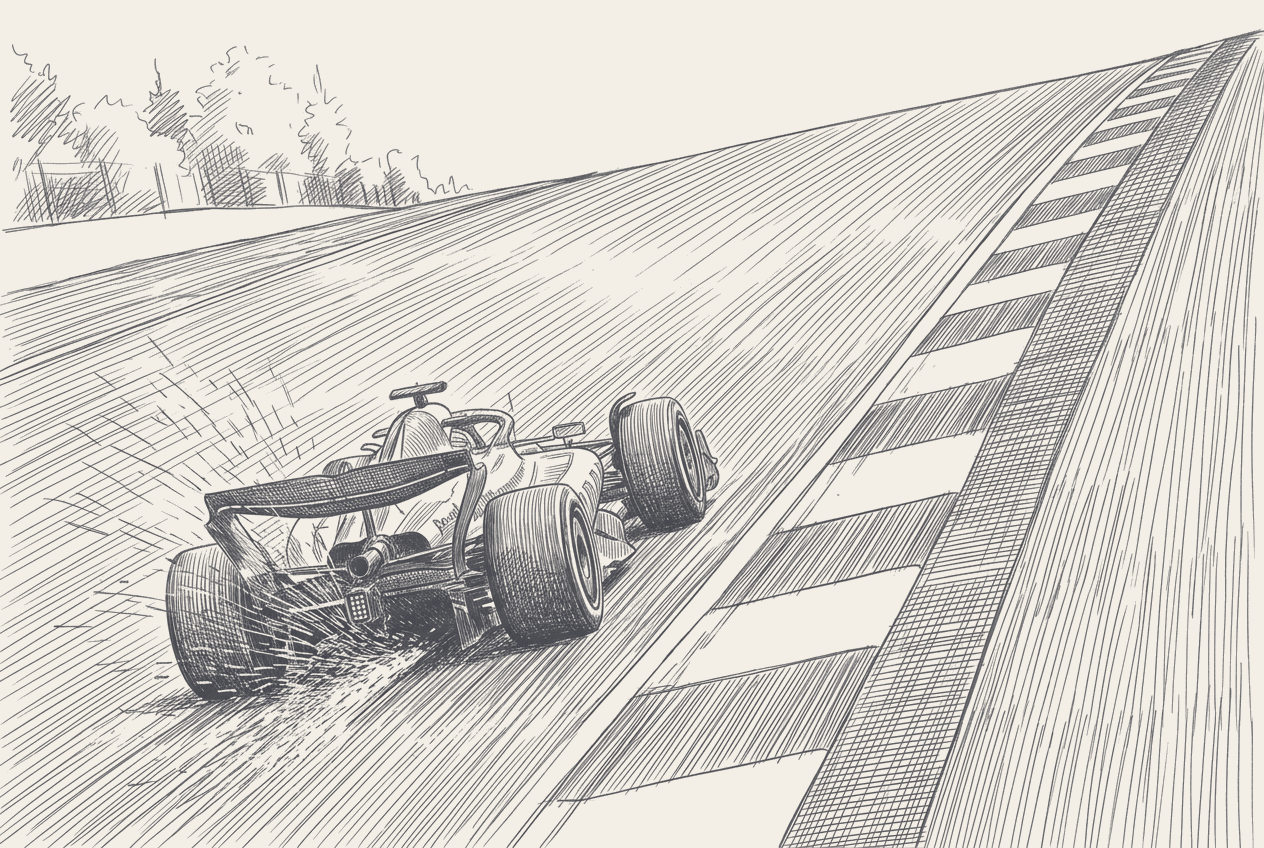
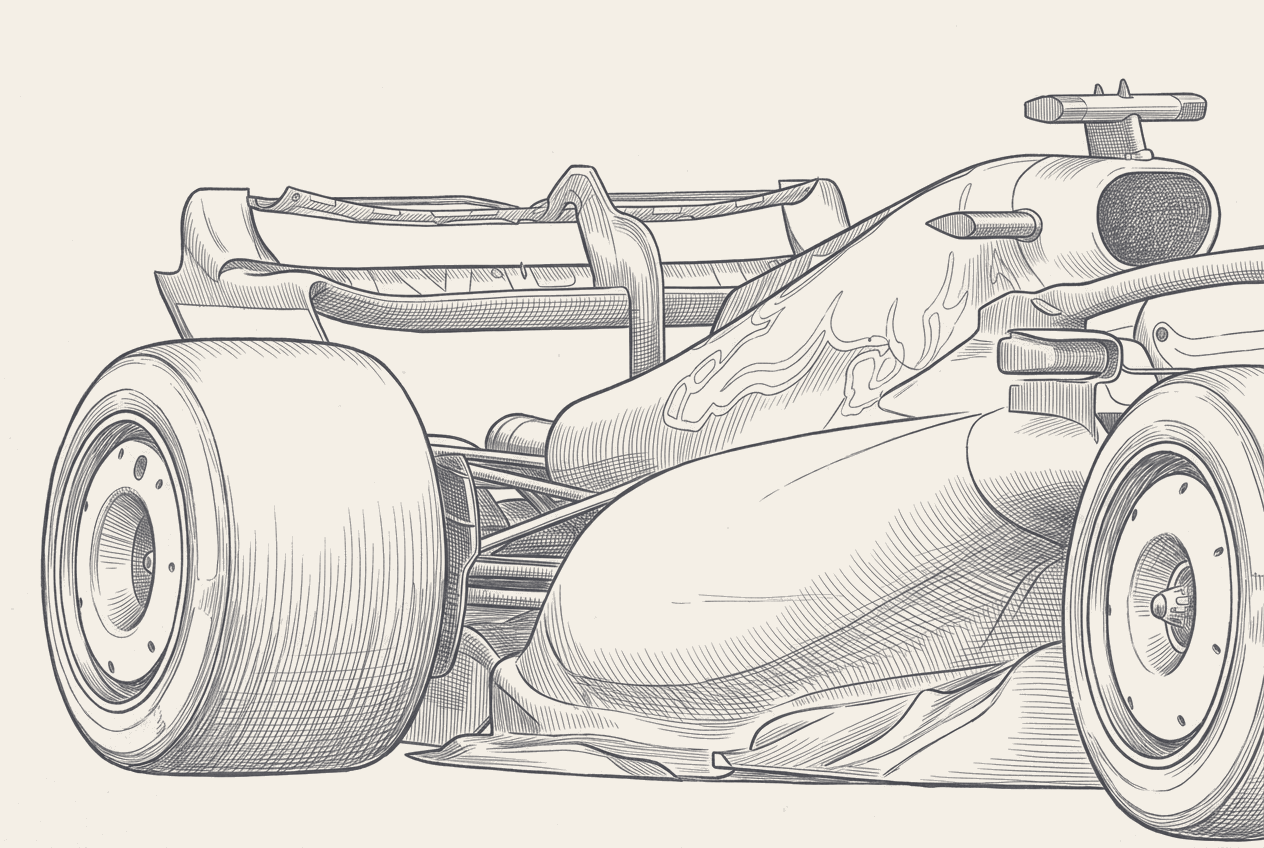
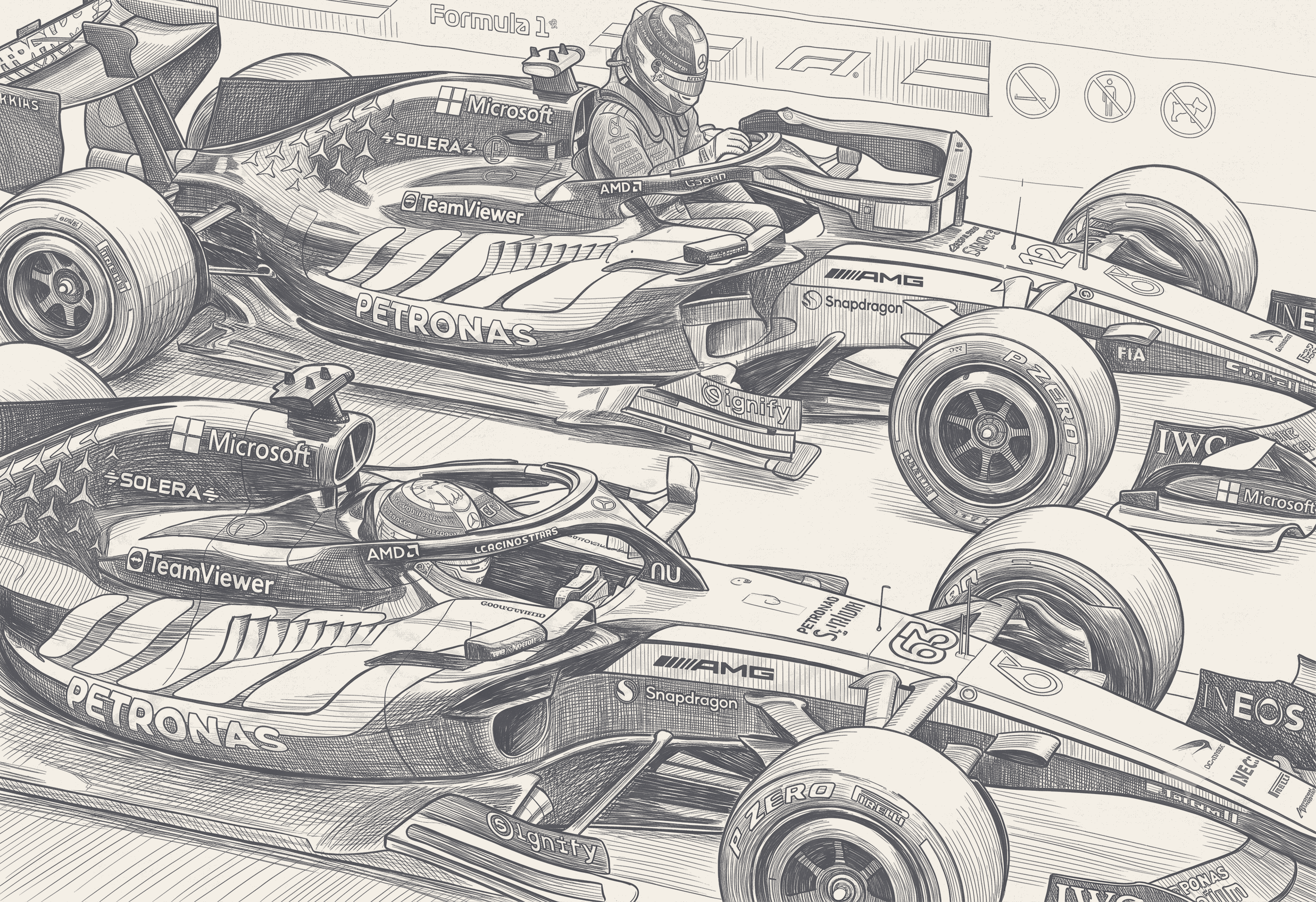
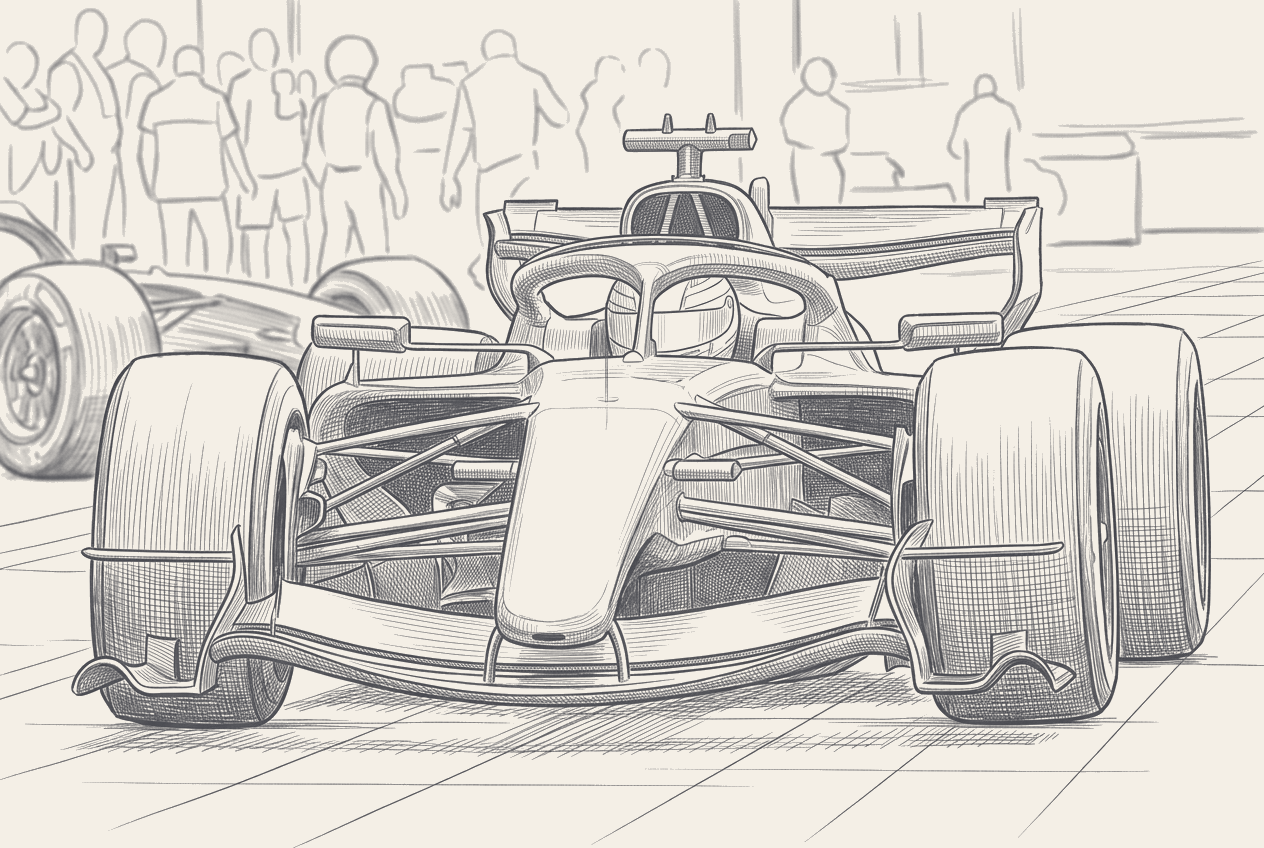
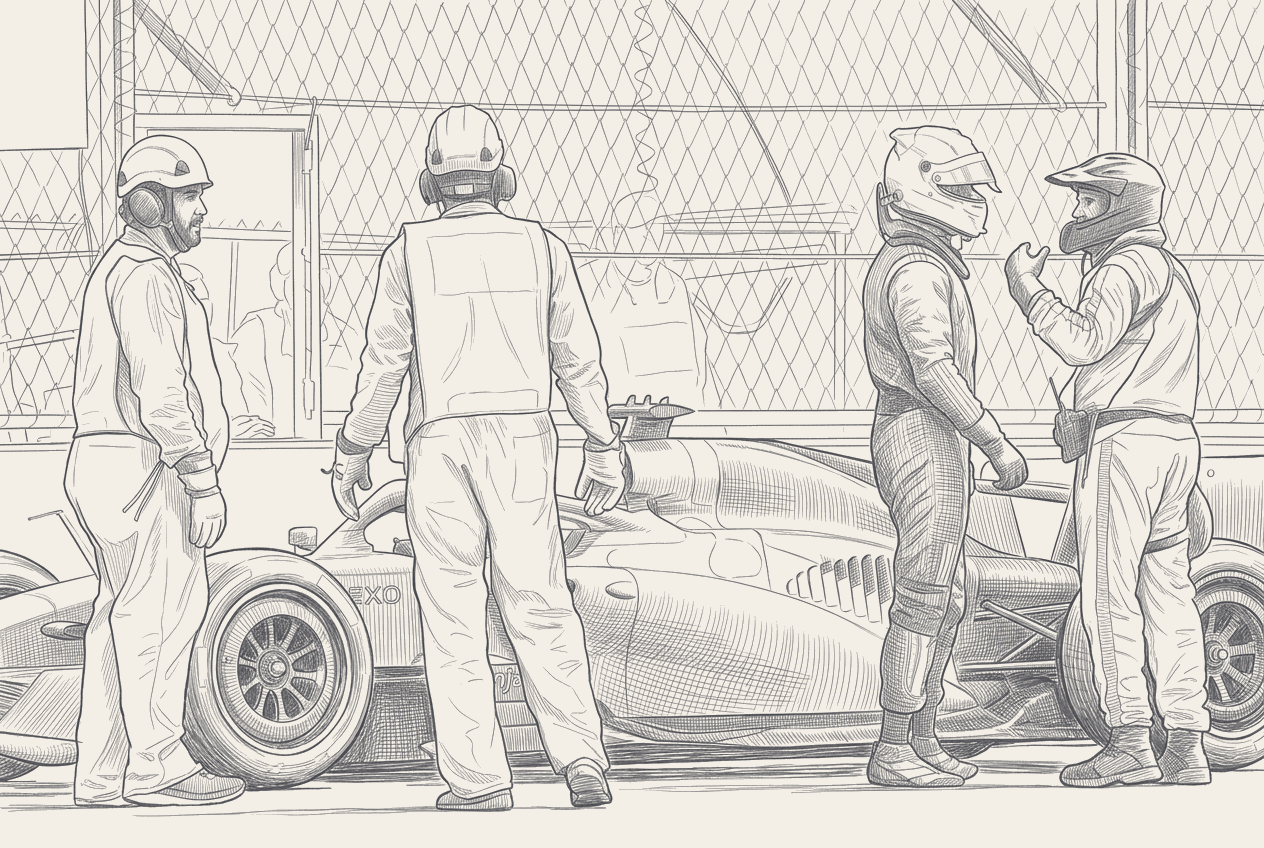
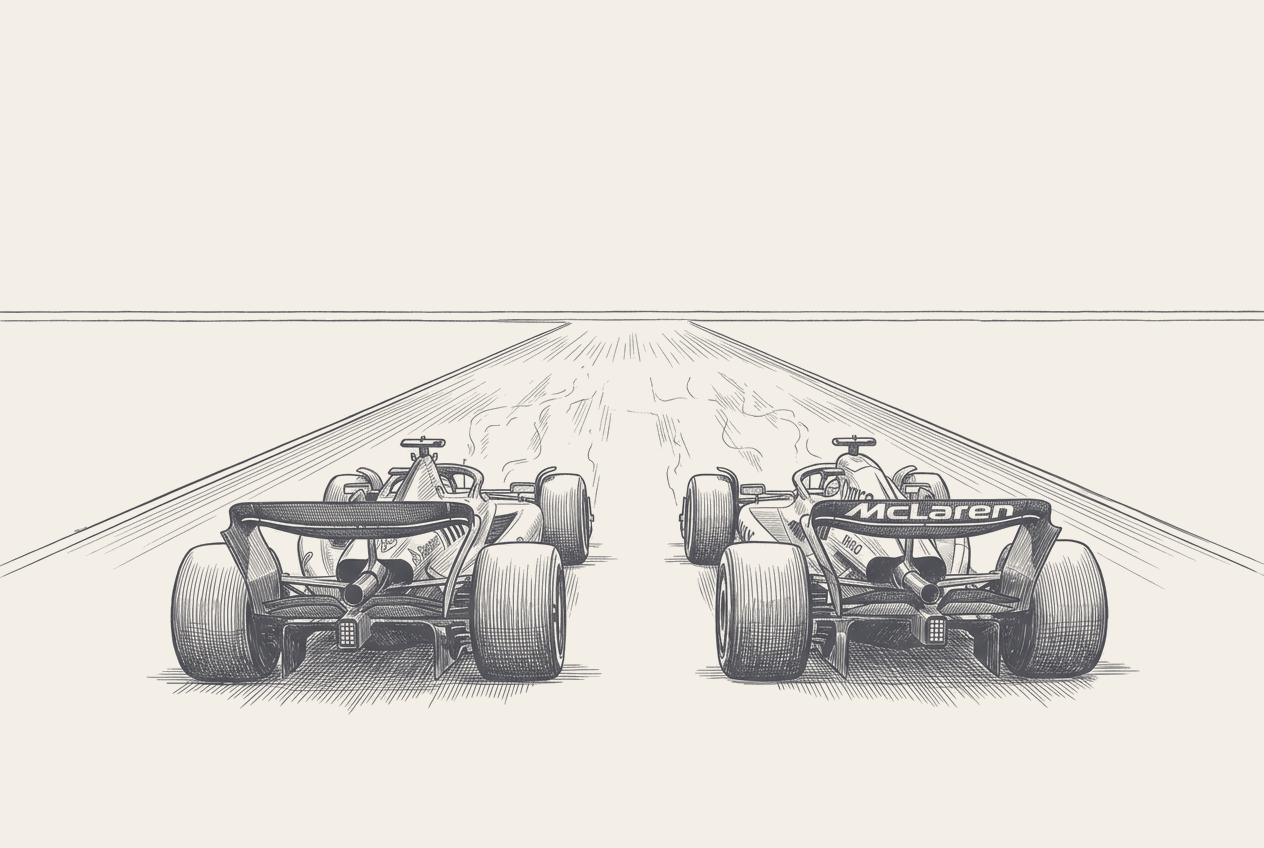
  1. A 2026 Formula 1 car throwing a rooster tail of spray through Spa's Eau Rouge compression, drawn in two-tone hatched technical illustration with airflow lines over the rear wing.

    No team has raced a 2026 F1 car in the wet. The first time could be Friday at Spa, in a session that counts.

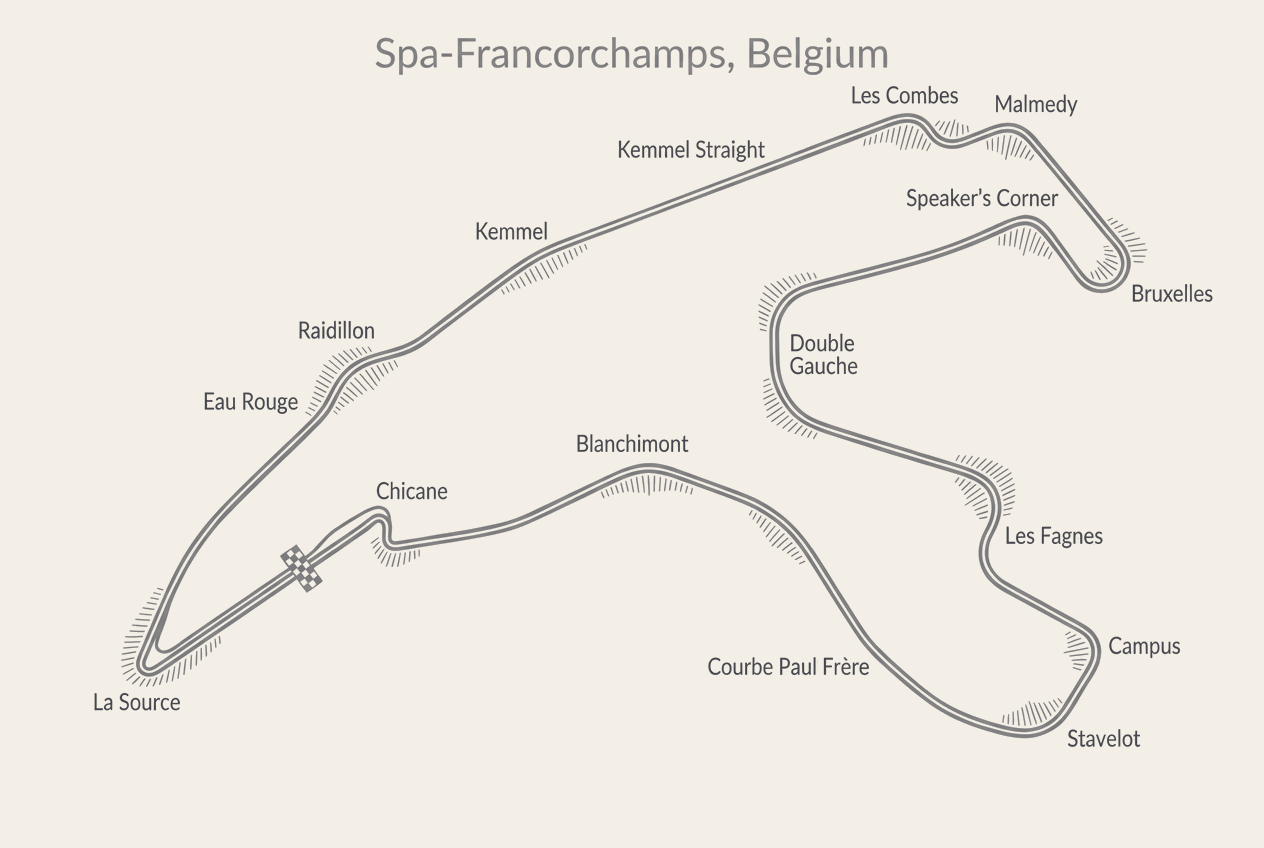
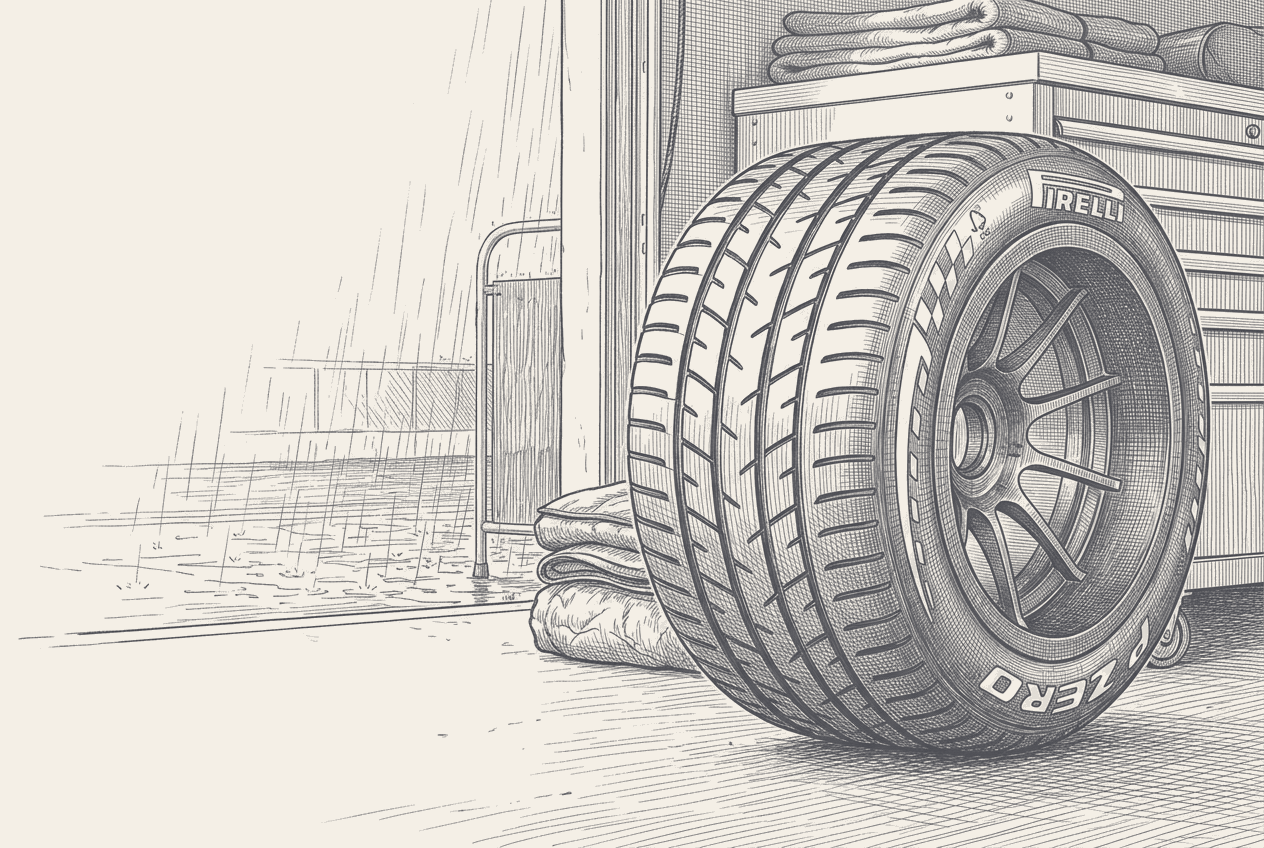
    A new chassis, a new power unit that leans harder on electrical energy, and a Pirelli wet tyre almost nobody has raced. The forecast for all three days at the longest circuit on the calendar, and among its fastest, carries a real chance of rain. The learning curve is not gradual. It is a cliff, and it counts.

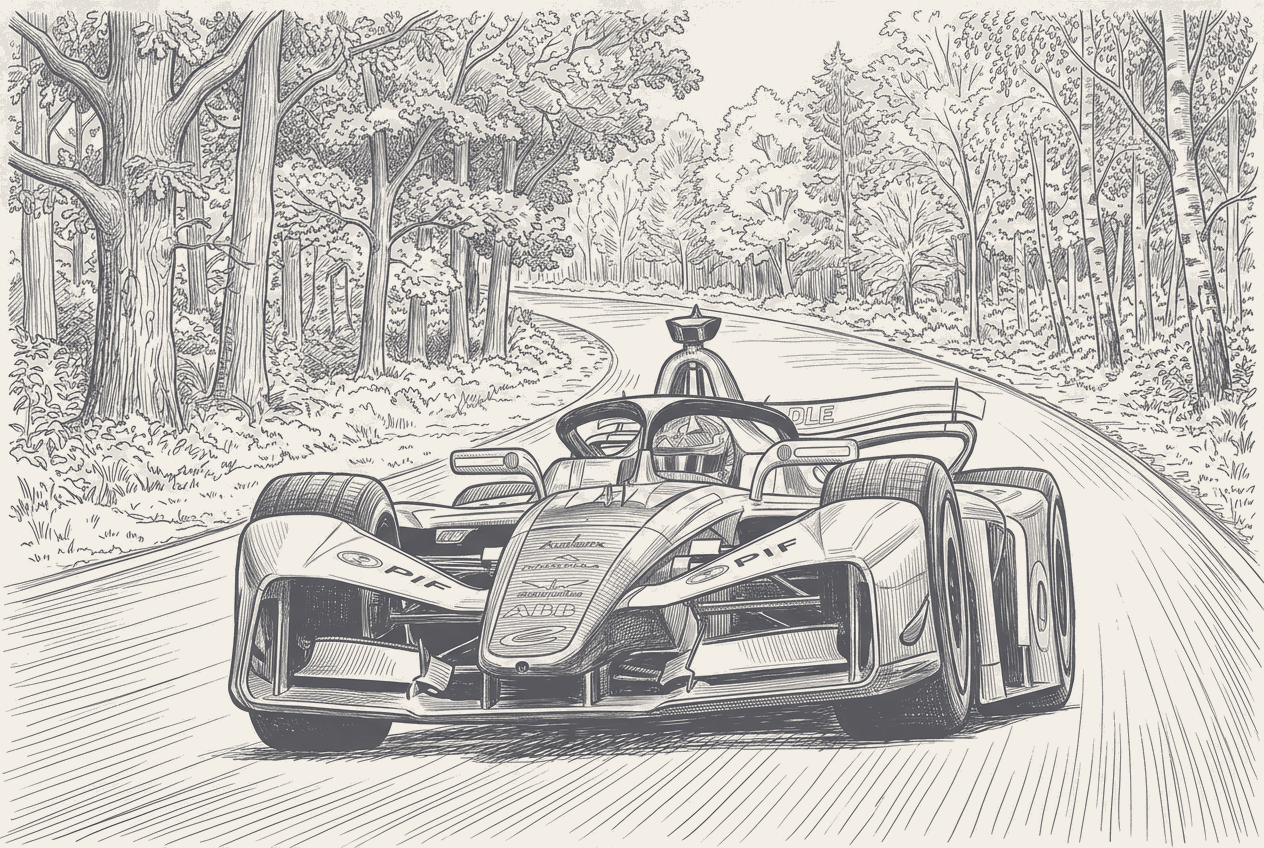
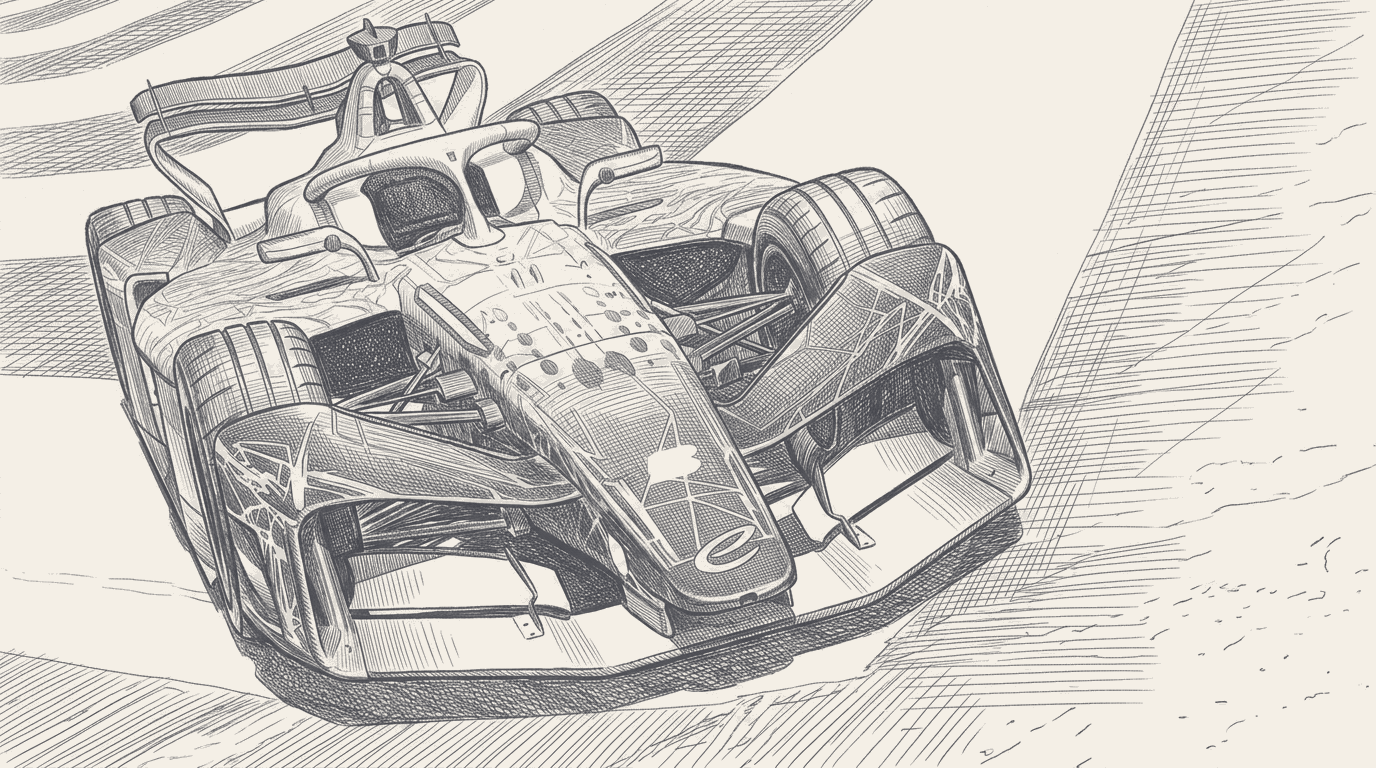
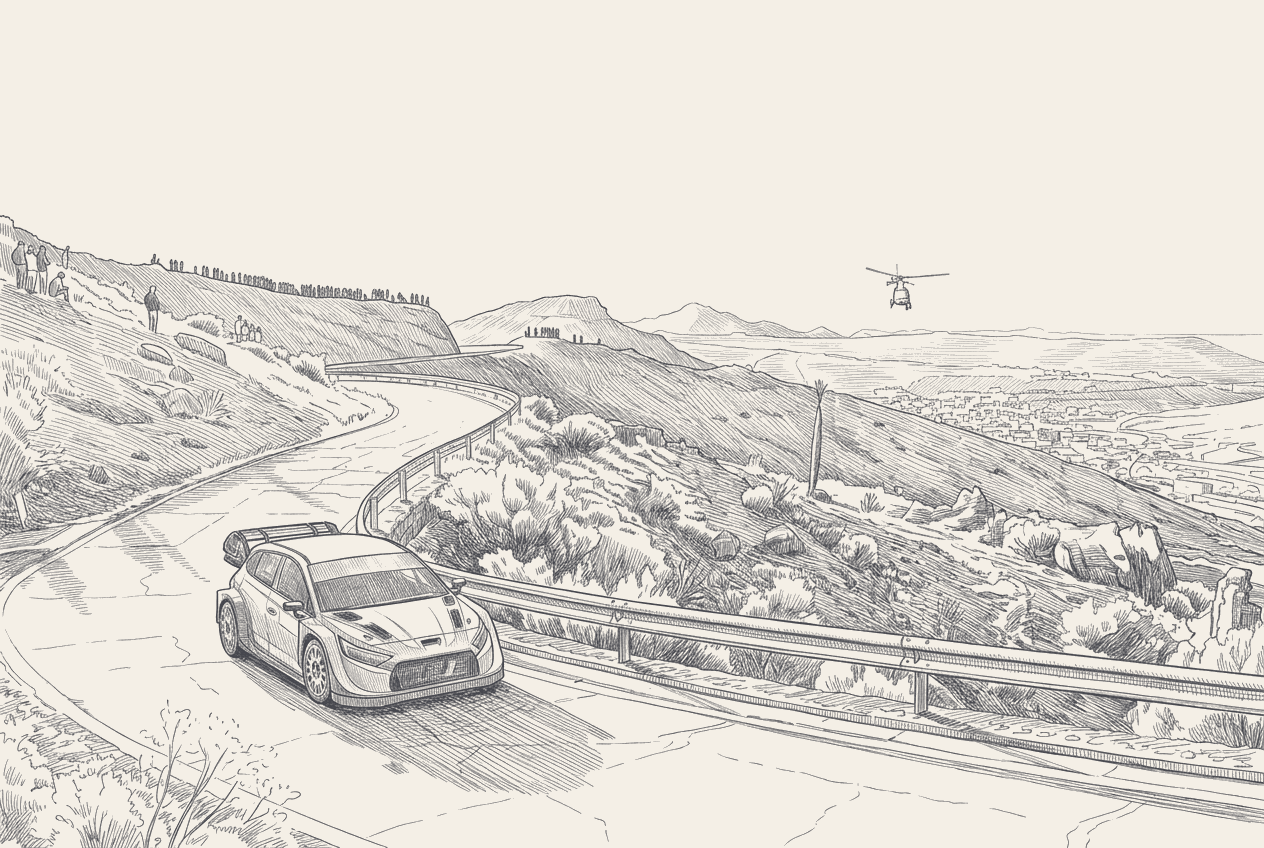
  2. A single-seater Formula E GEN4 prototype climbing a narrow hillclimb course flanked by straw bales and trees, drawn in two-tone hatched technical illustration.

    Dan Ticktum ran Formula E's GEN4 car up Goodwood in 42.46s. The quickest combustion car on the hill was 3.85 seconds slower.
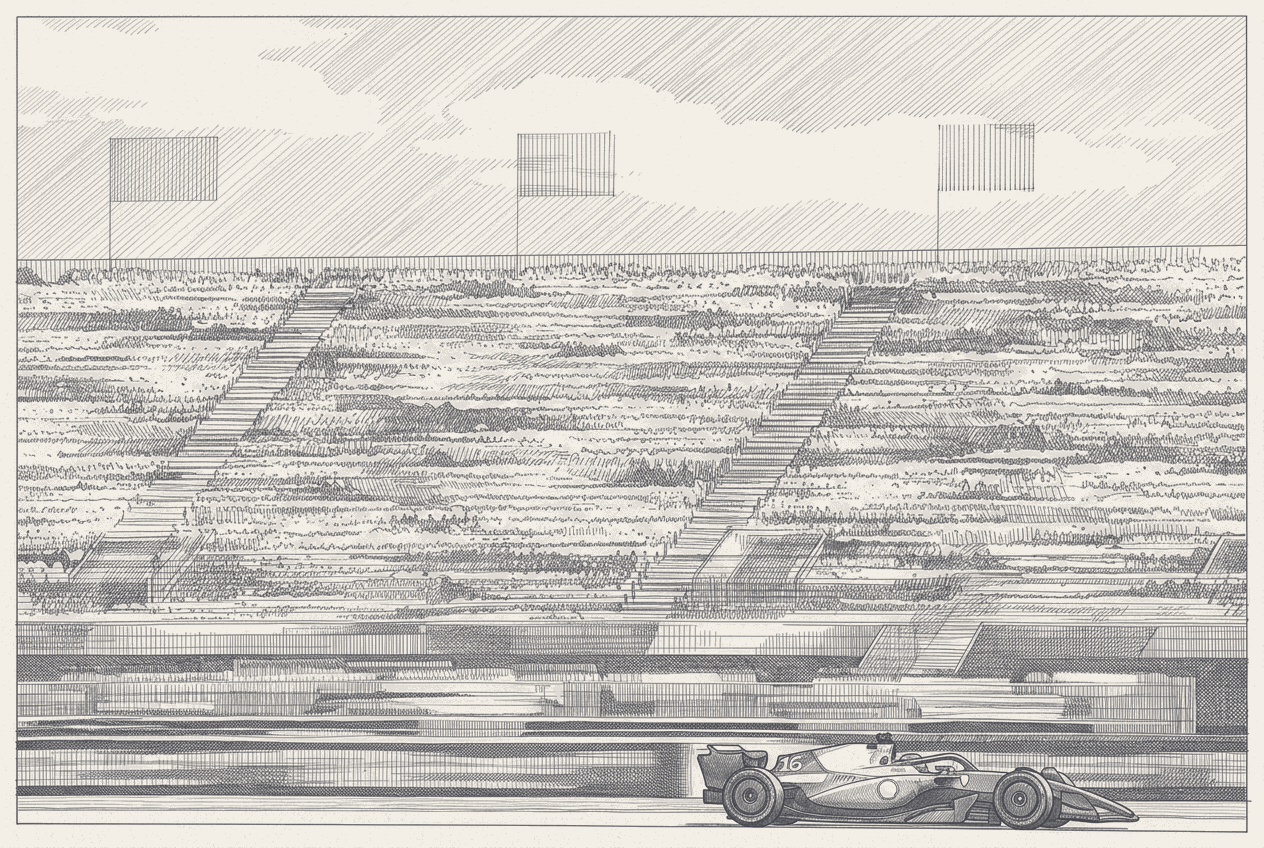
    The first public timed run of the car Formula E races next season was not a demonstration. It was a benchmark, produced by an event with no stake in flattering it, and it finished 0.48s off a purpose-built electric hillclimb weapon.

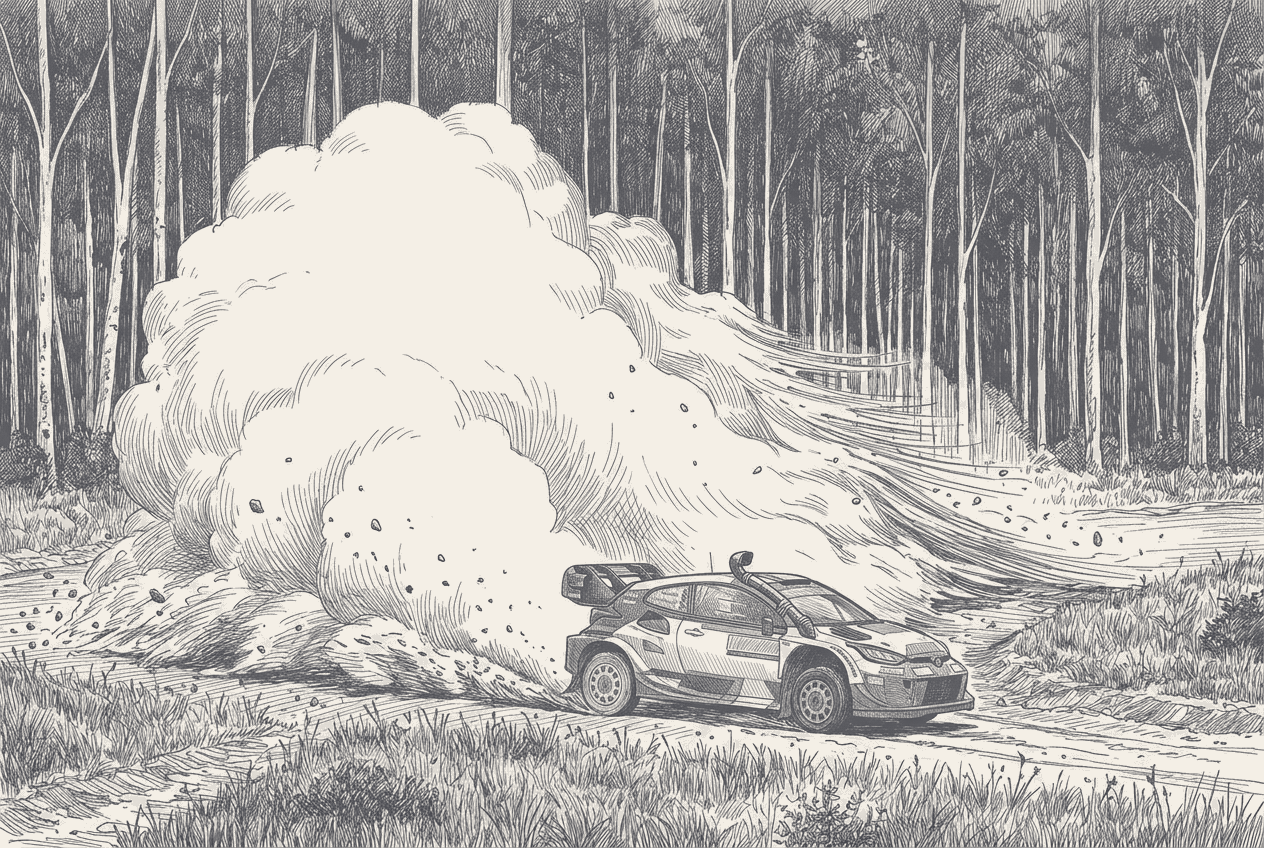
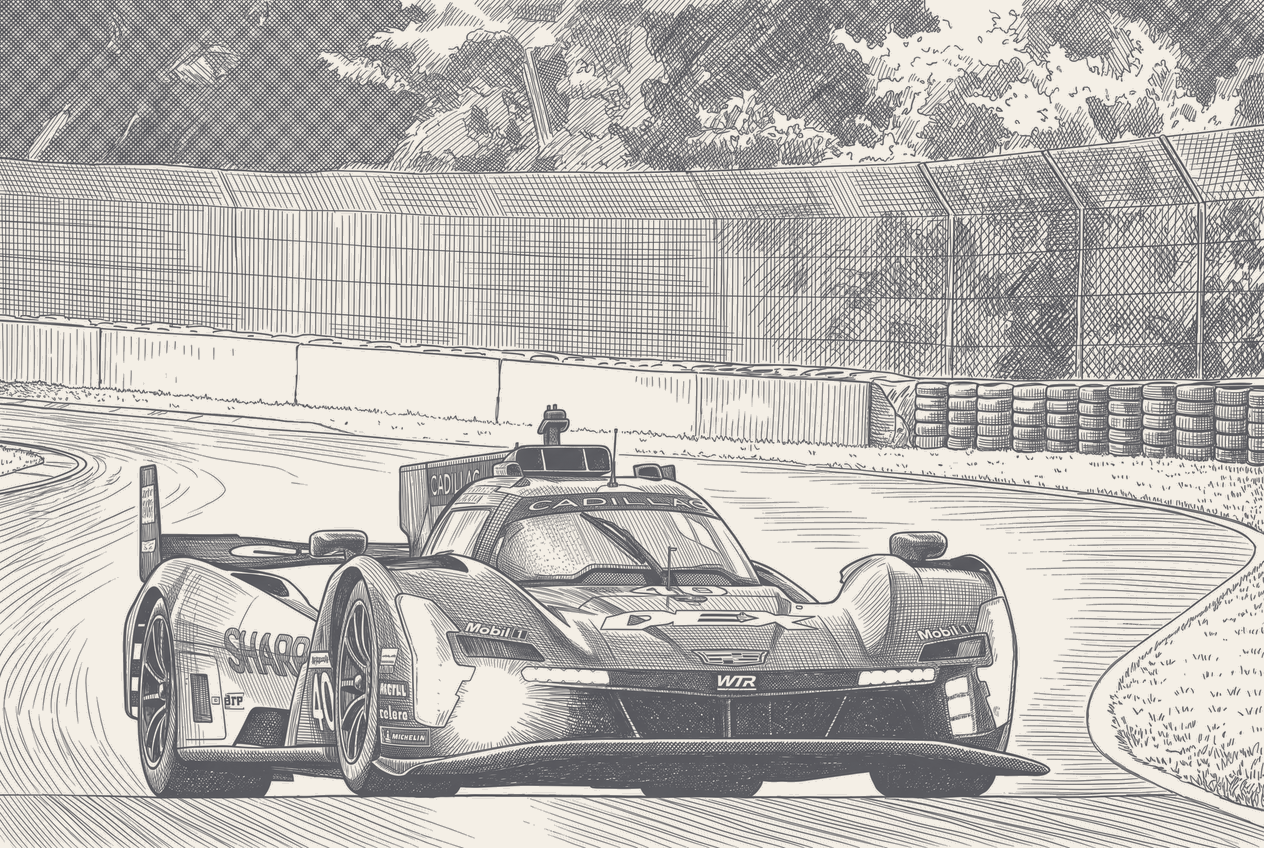
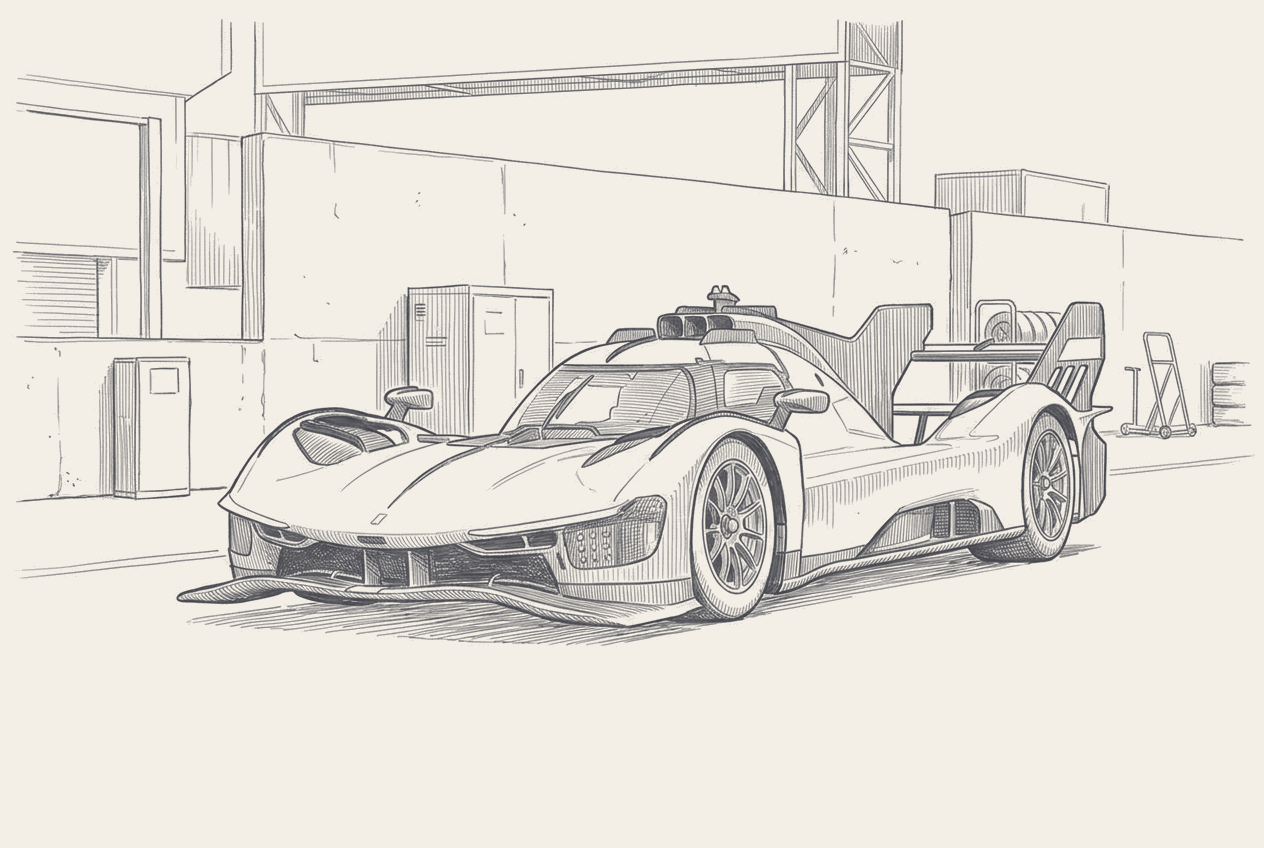
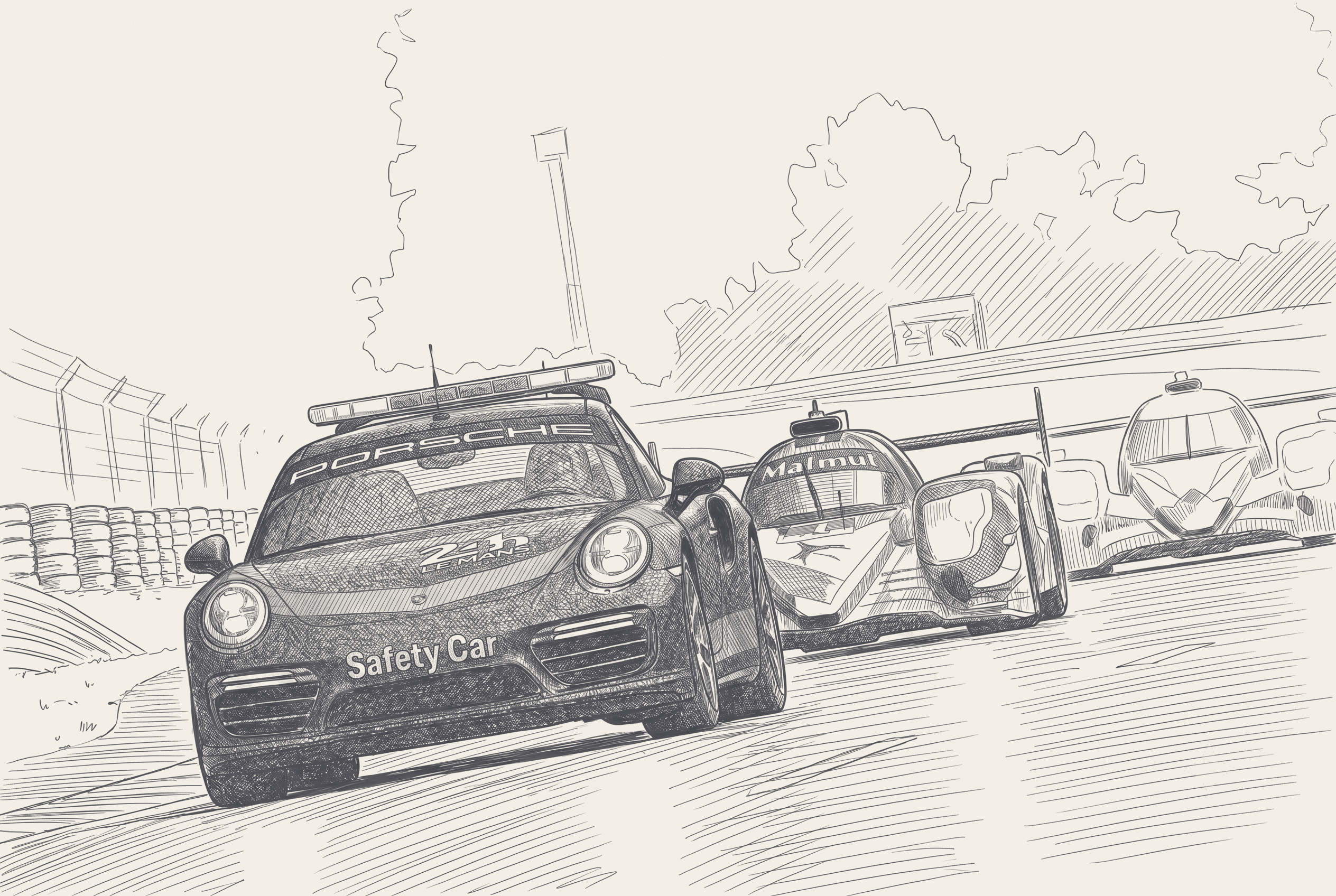
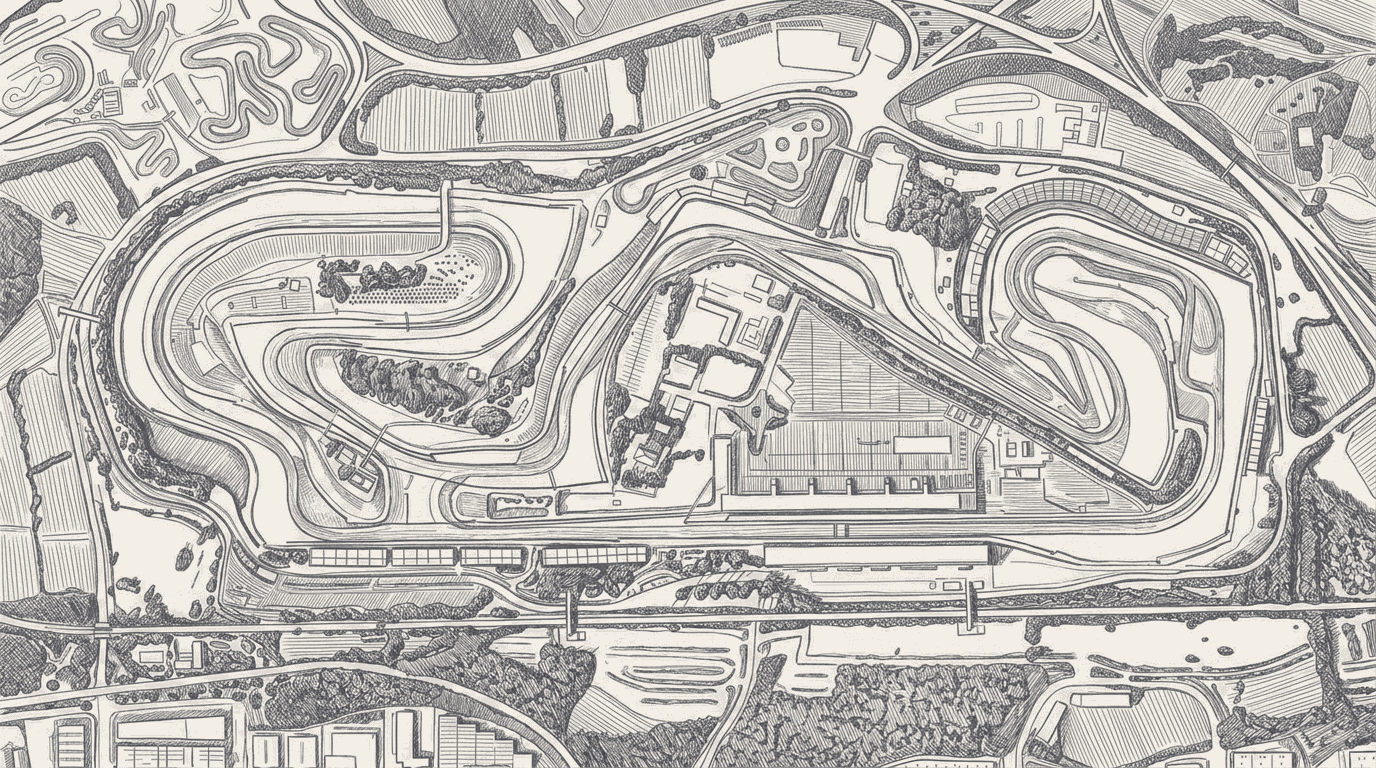
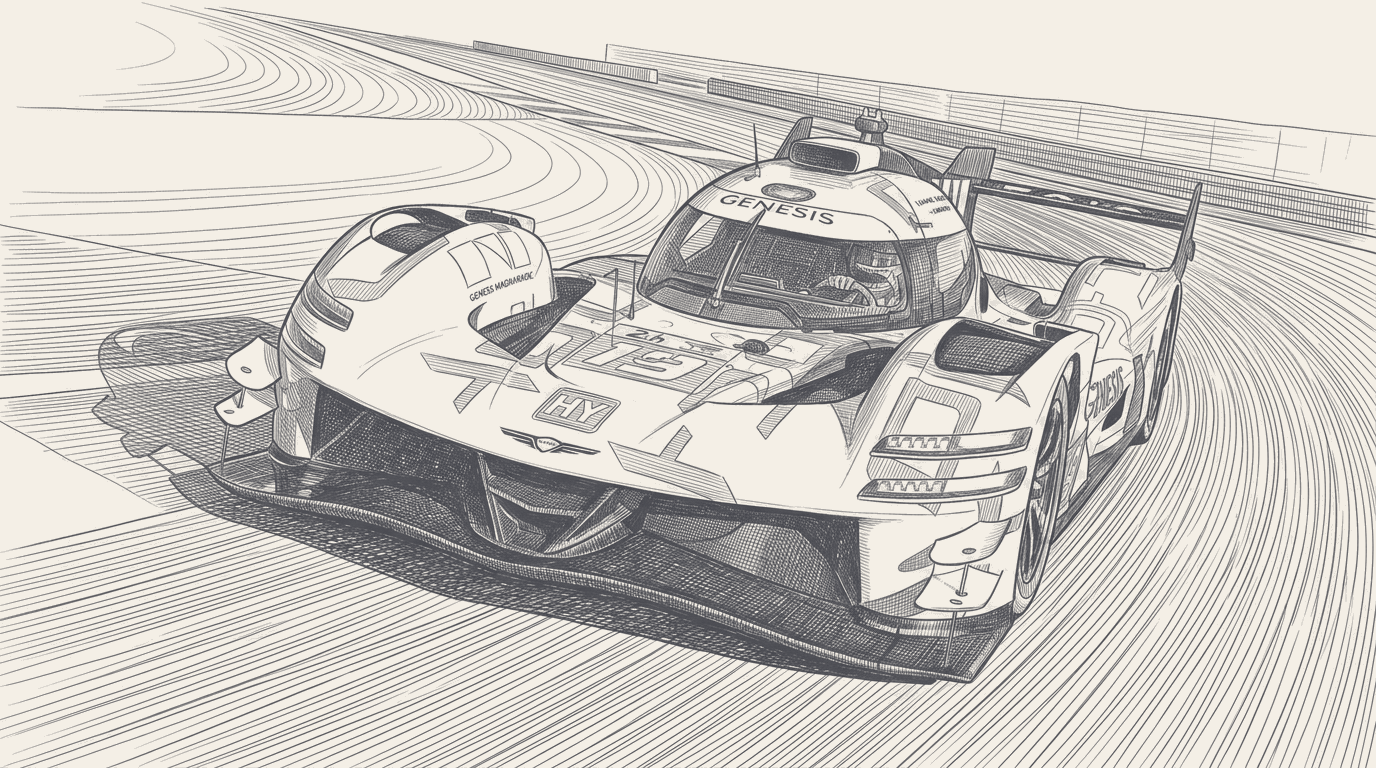
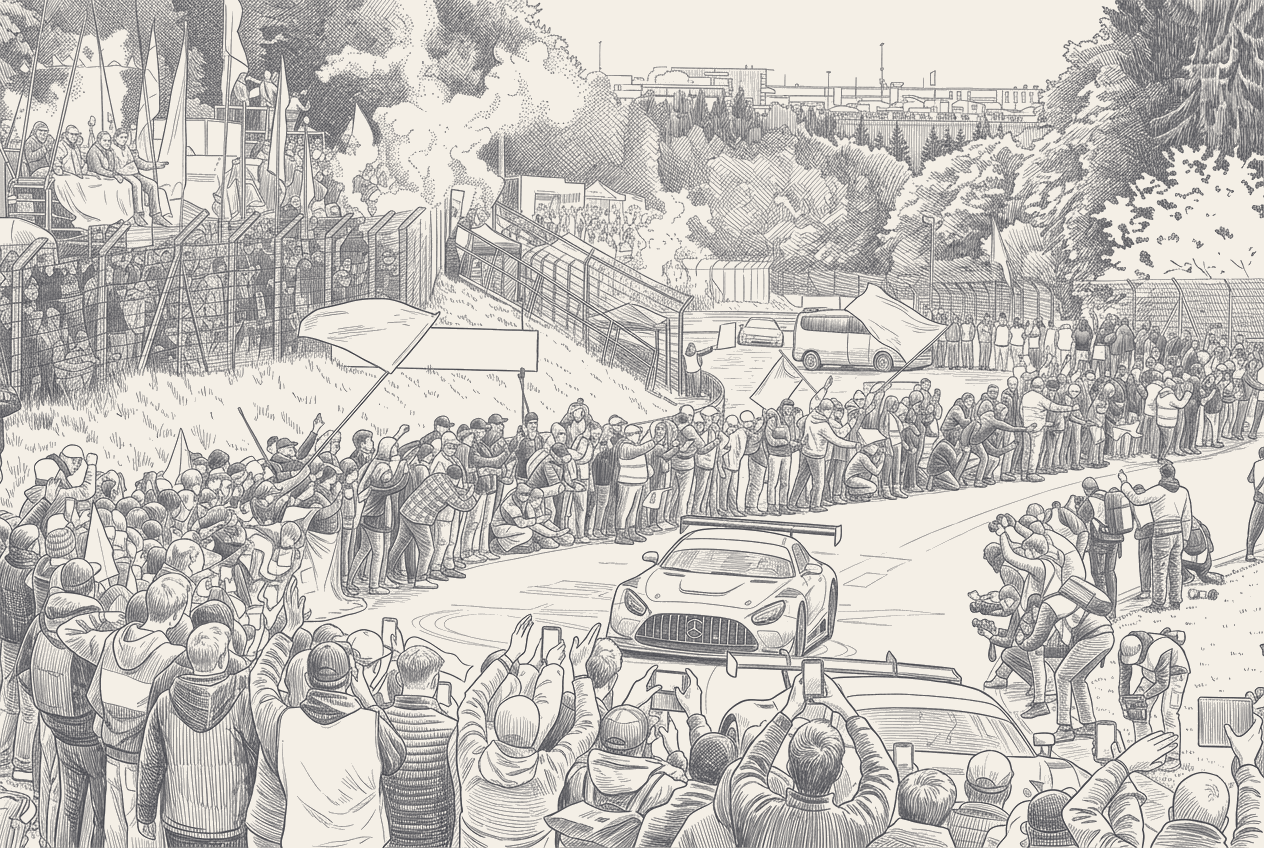
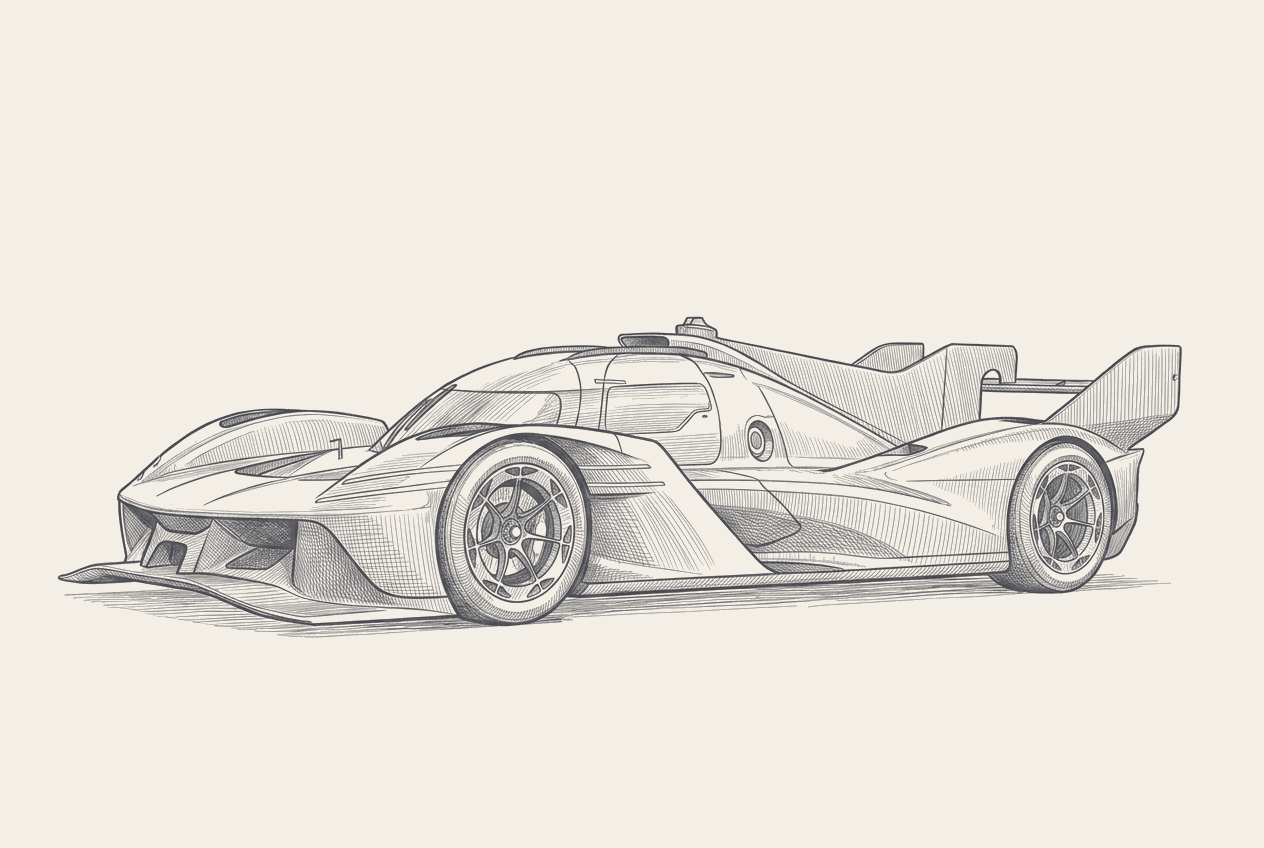
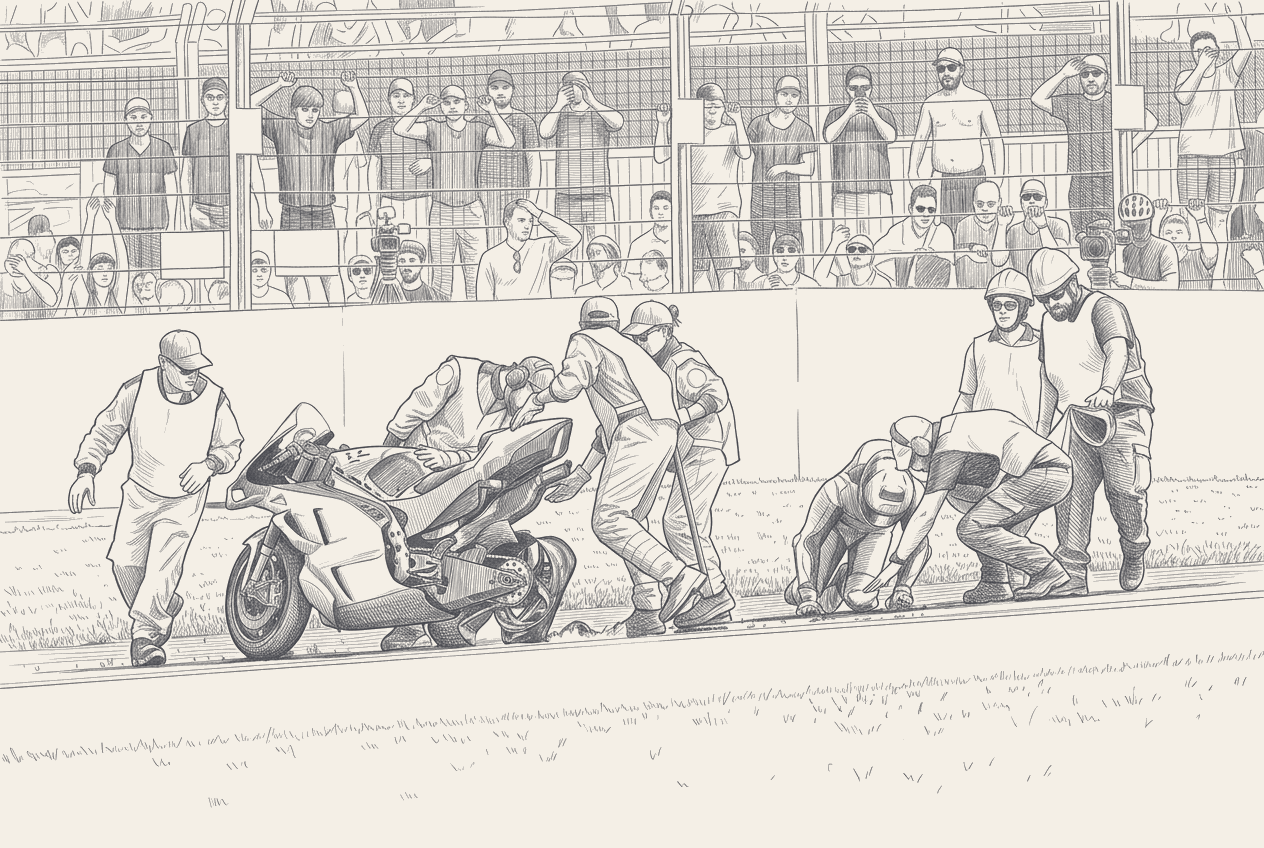
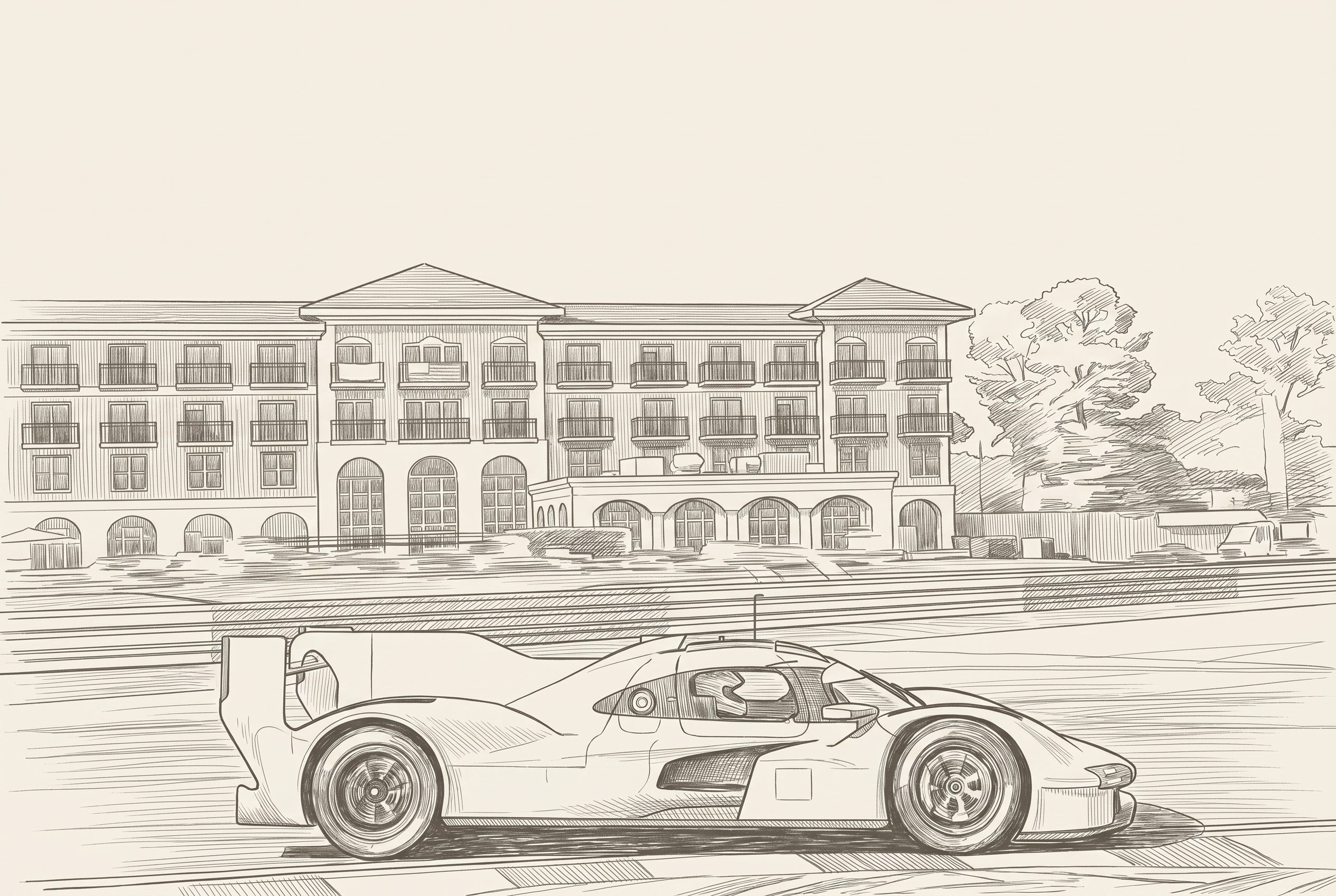
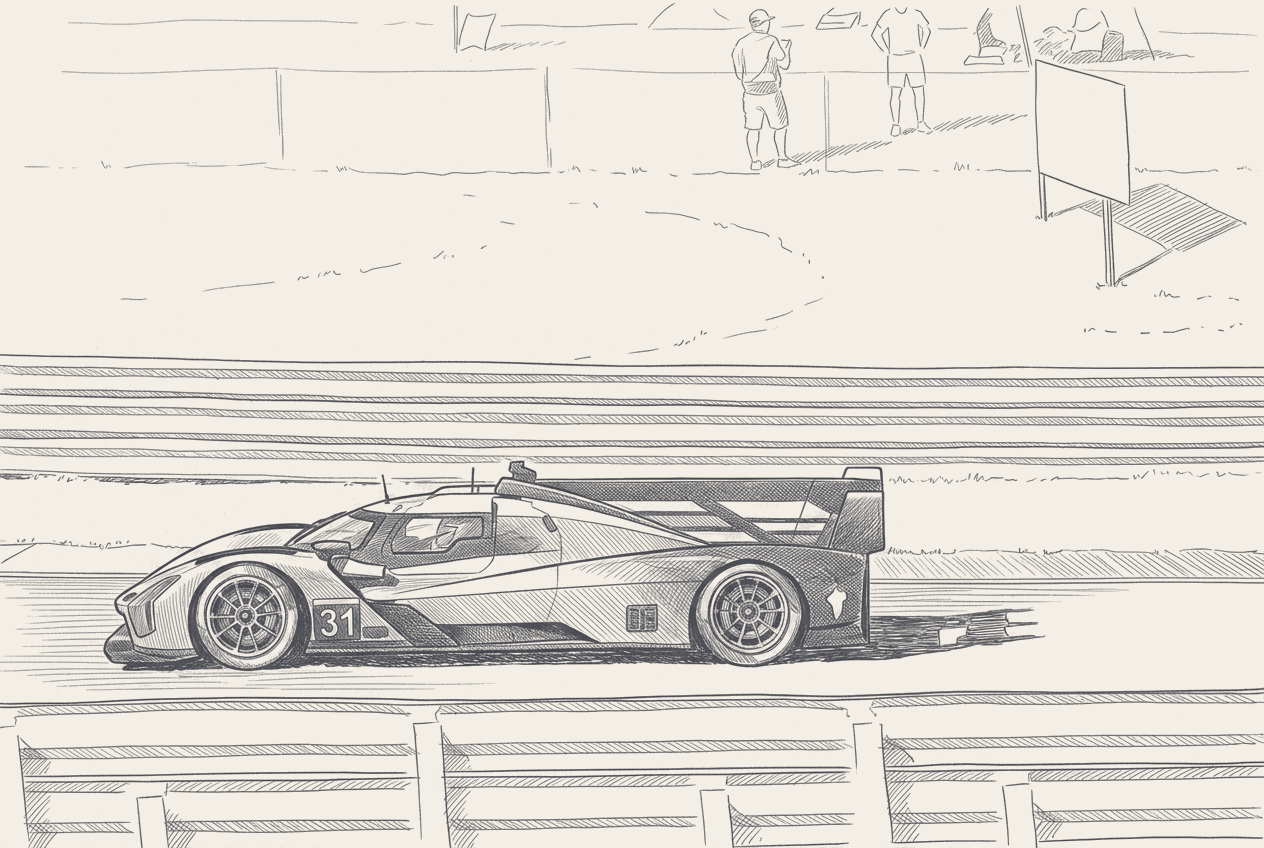
  3. Three Hypercars in close formation through Interlagos' Ferradura left-hander, a BMW M Hybrid V8 leading a Ferrari 499P and a Cadillac, drawn in two-tone hatched technical illustration.

    Ferrari's factory cars won the three races that set the handicap. At São Paulo the fastest 499P on the property belonged to a customer.
    The 6 Hours of São Paulo was the first race balanced on a run of Ferrari victories under WEC's new policy of not publishing the numbers. BMW won it by 2.254s. Whether the correction was proportionate is now, by design, something nobody outside the room can check.

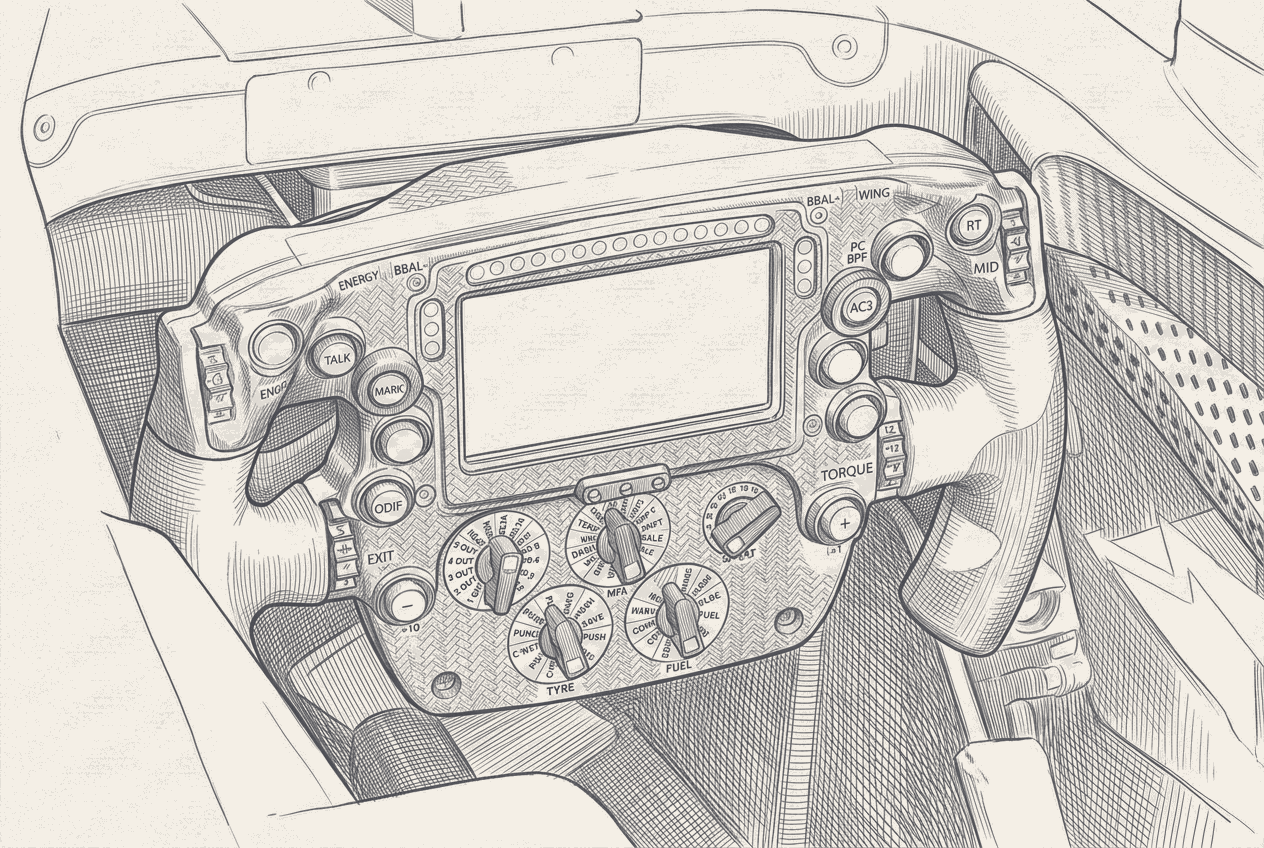
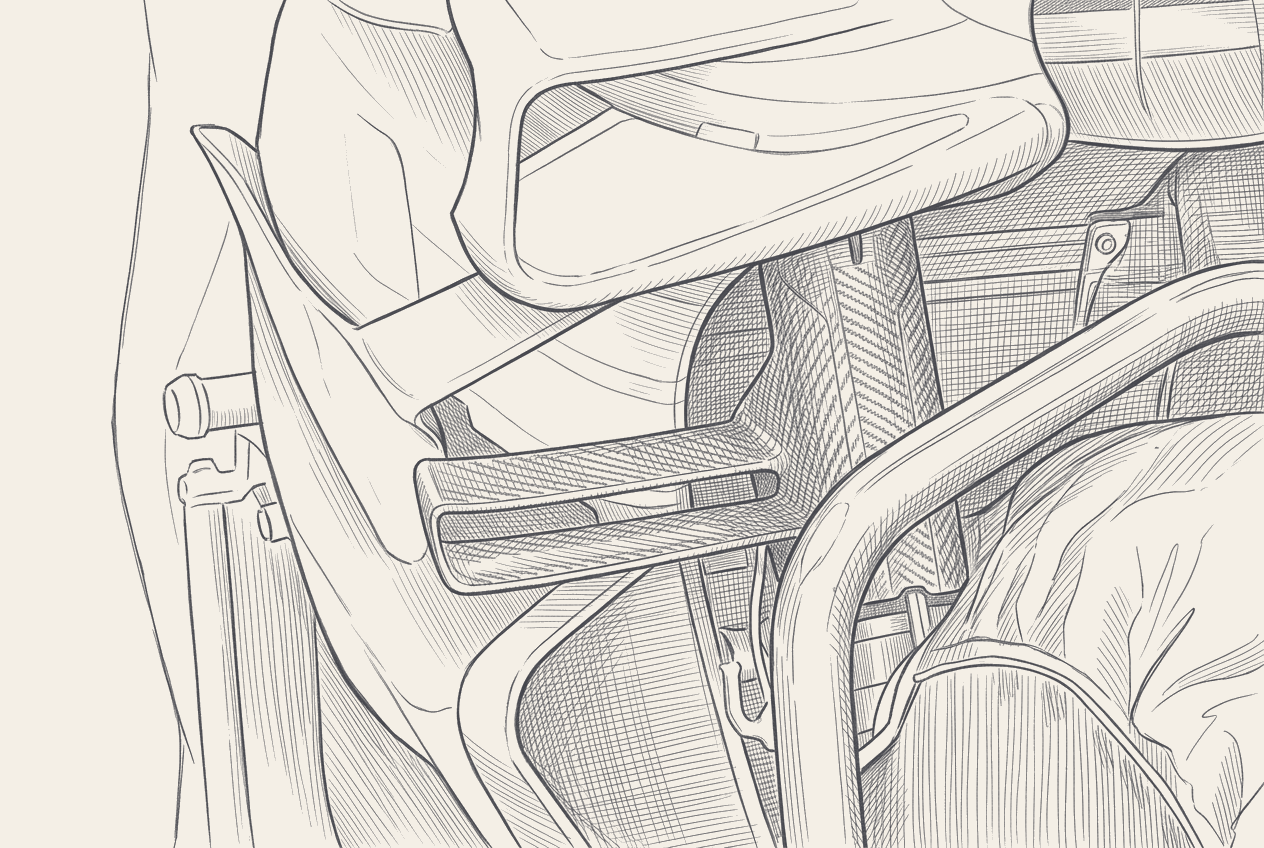
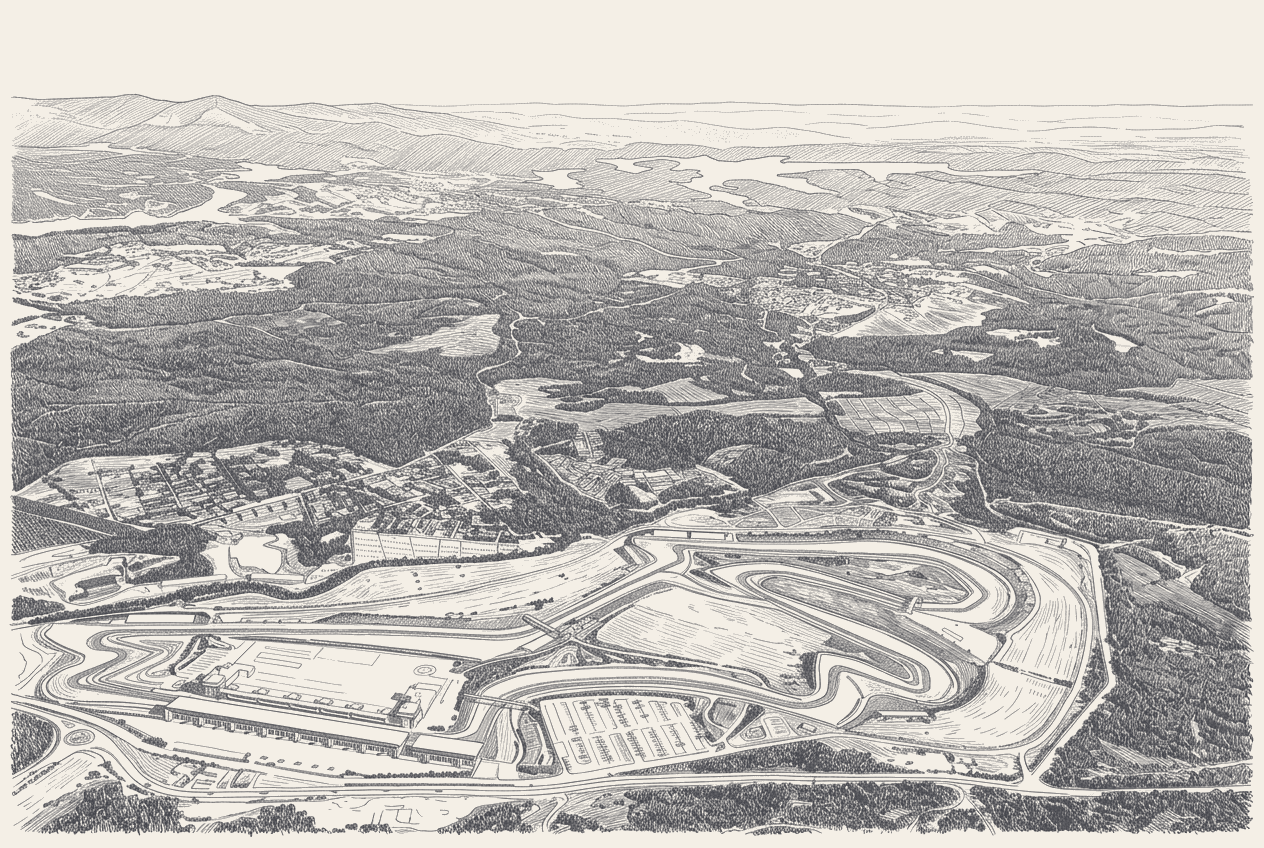
  4. Two-tone hatched-ink illustration traced from a photograph of a 2026 F1 steering wheel, focus on the deployment and overtake controls, sponsor marks and text stripped blank.

    Alonso says the 2026 car overtakes with "no driver talent," just a stronger power unit and one button; Spa is where his claim gets tested.

    Fernando Alonso, racing in F1 since 2001, says the 2026 car overtakes with "no driver talent," just a stronger power unit and one button. He watched the energy-swing racing "on full show" in the Silverstone sprint. Spa, with its long deployment-limited middle sector, is the circuit where the complaint either lands or does not.

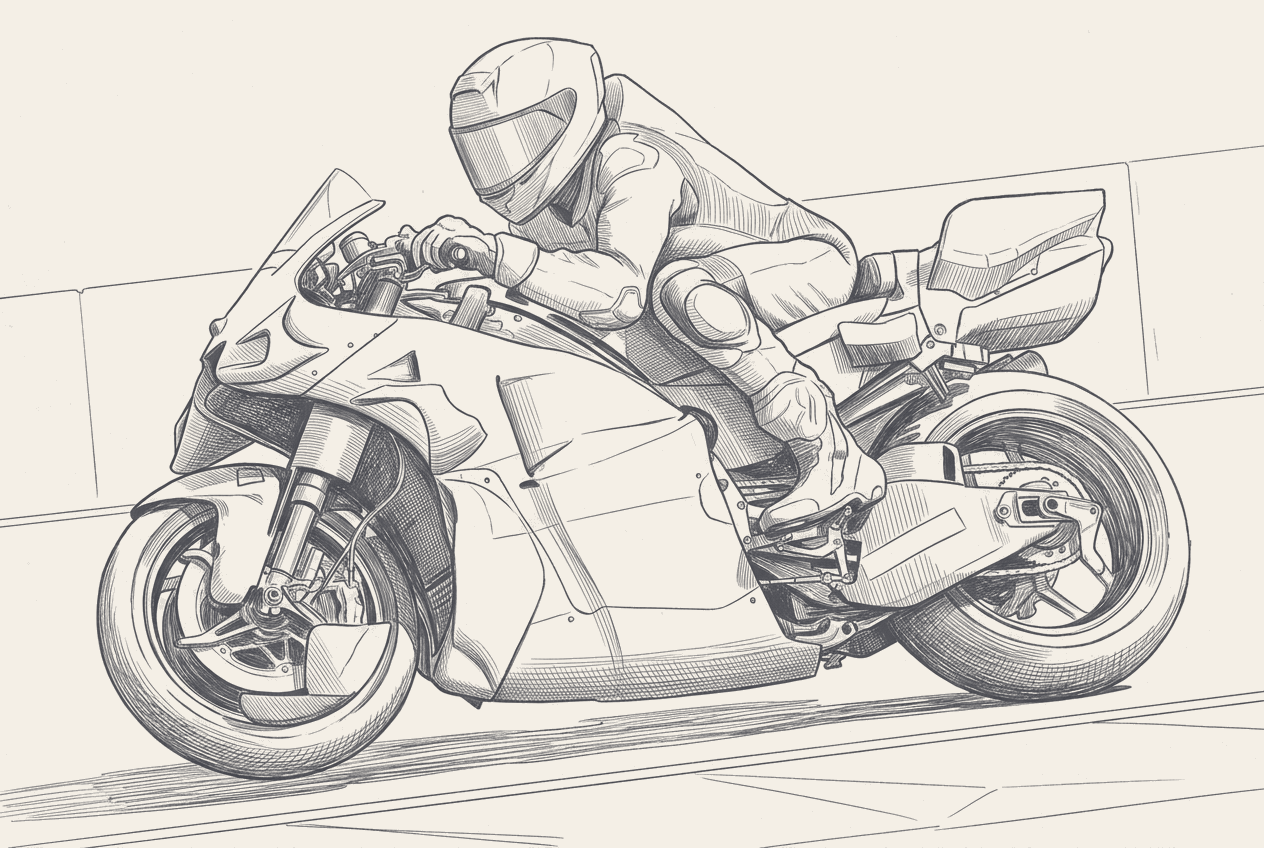
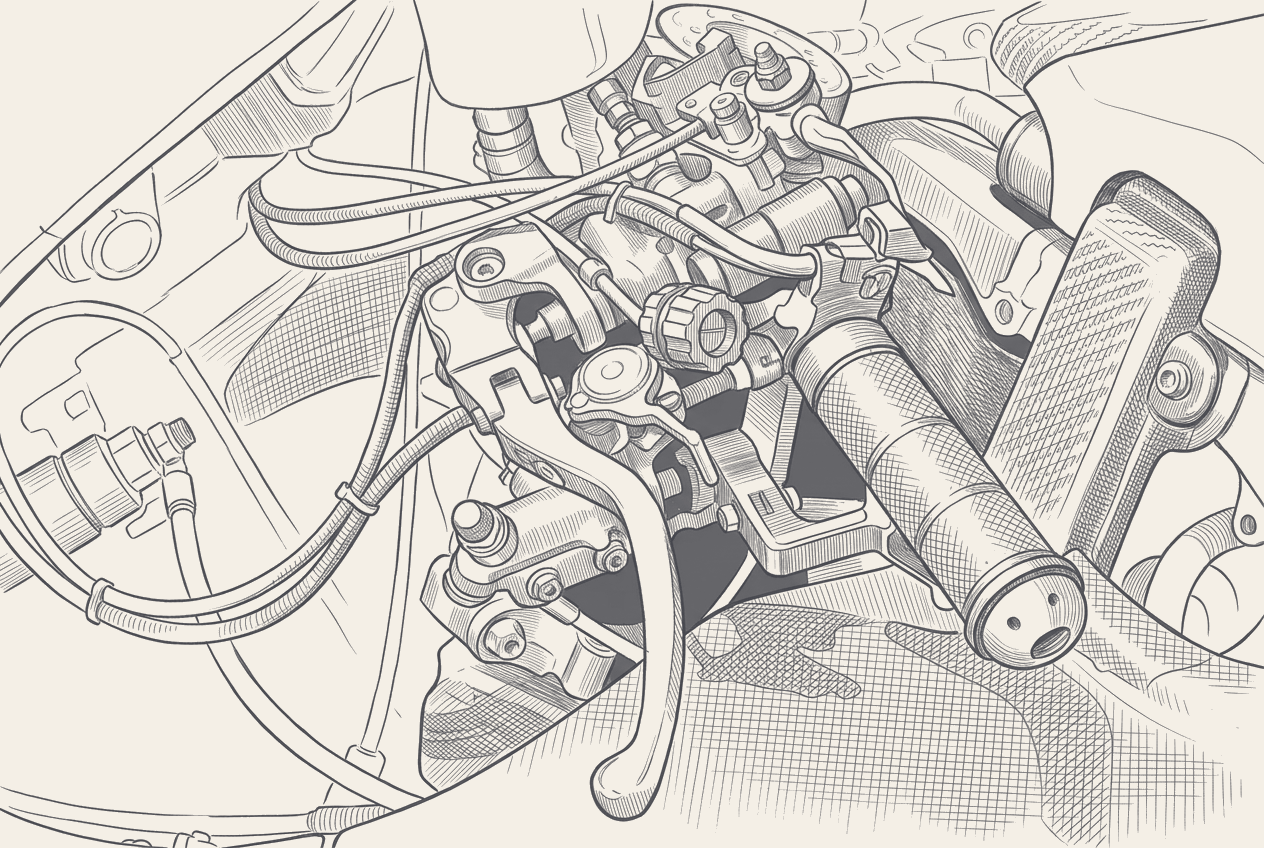
  5. Two-tone hatched-ink illustration traced from a photograph of a MotoGP Ducati front brake assembly and caliper, sponsor marks and text stripped blank.

    Bagnaia puts a number on his lost season; he says Ducati technical problems have cost him more than 40 points across three rounds.

    At the Sachsenring, Francesco Bagnaia said technical problems across Jerez, Le Mans and Assen have cost him more than 40 points, and that from eighth, 63 down, "that is not much at mid-season." He again declined to explain the failure that ended his Assen race. A two-time champion is reframing his own season on the record, from a form slump into a reliability-and-fit argument.

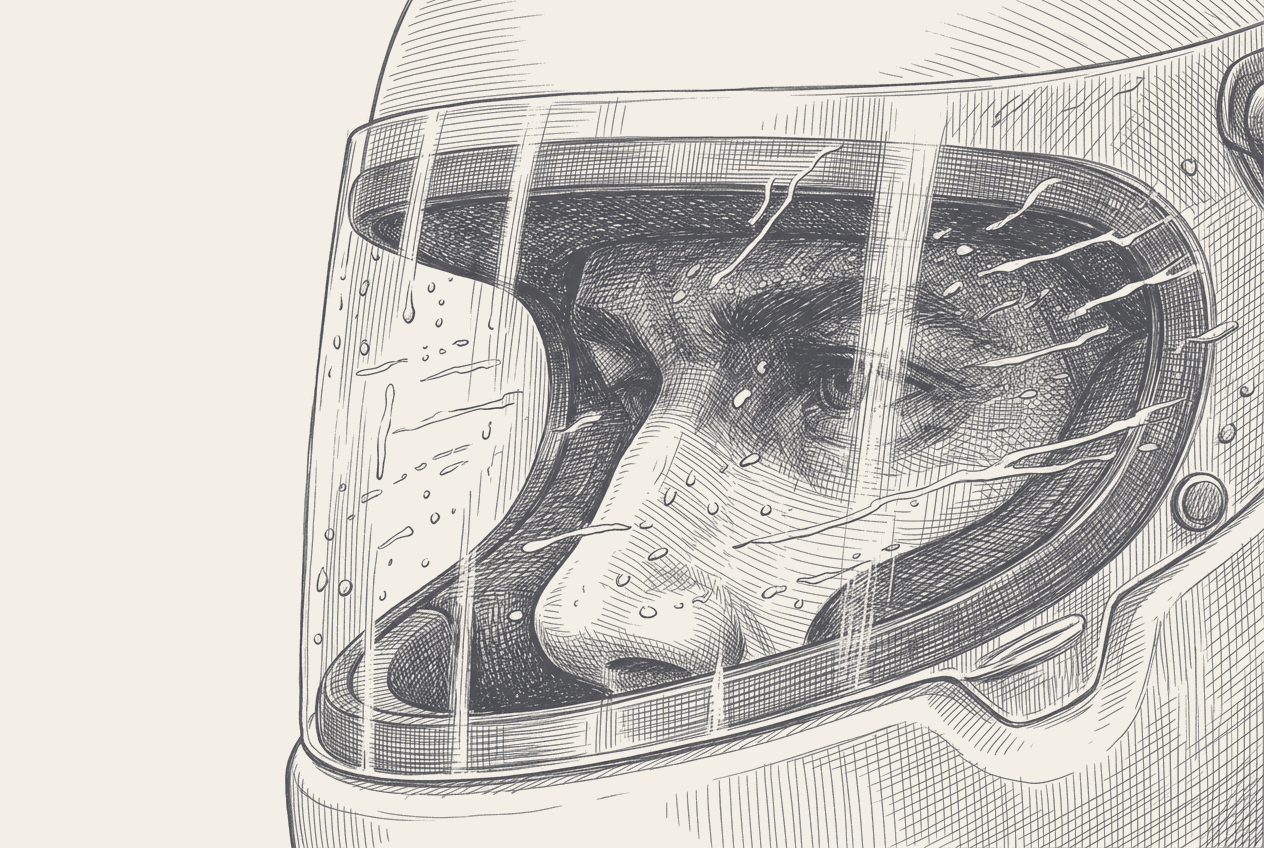
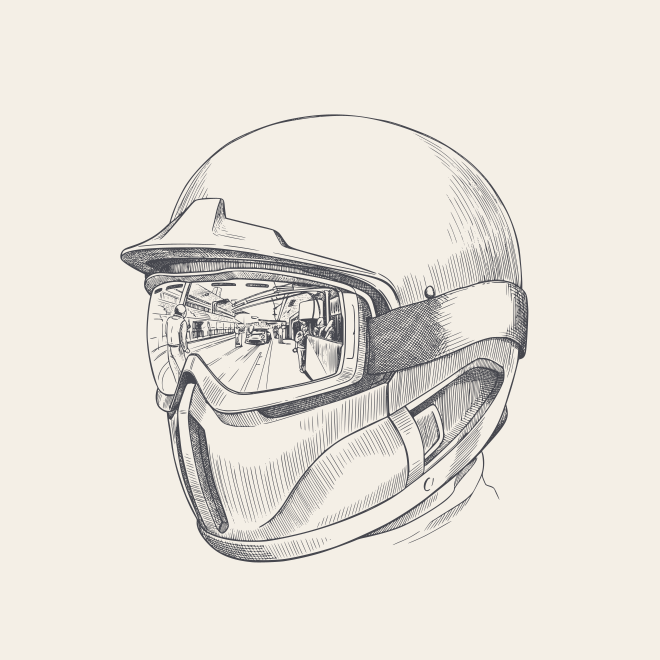
  6. Two-tone hatched-ink illustration, close on a driver's face behind a race helmet visor, beads and streaks of sweat flung sideways across the inside of the visor by cornering G-force; the helmet blank and unmarked.

    StarTalk put F1's 2026 rulebook on the physics bench; the sharpest data point was Hamilton admitting he loses tenths he cannot feel.

    StarTalk sent Neil deGrasse Tyson and Gary O'Reilly to the Miami Grand Prix to explain the 2026 rules through physics, with a Ferrari engineer and Lewis Hamilton as witnesses. The tidy parts are the chassis and the aero. The useful part is Hamilton saying he loses tenths to energy-deployment software he cannot feel until the data shows him.

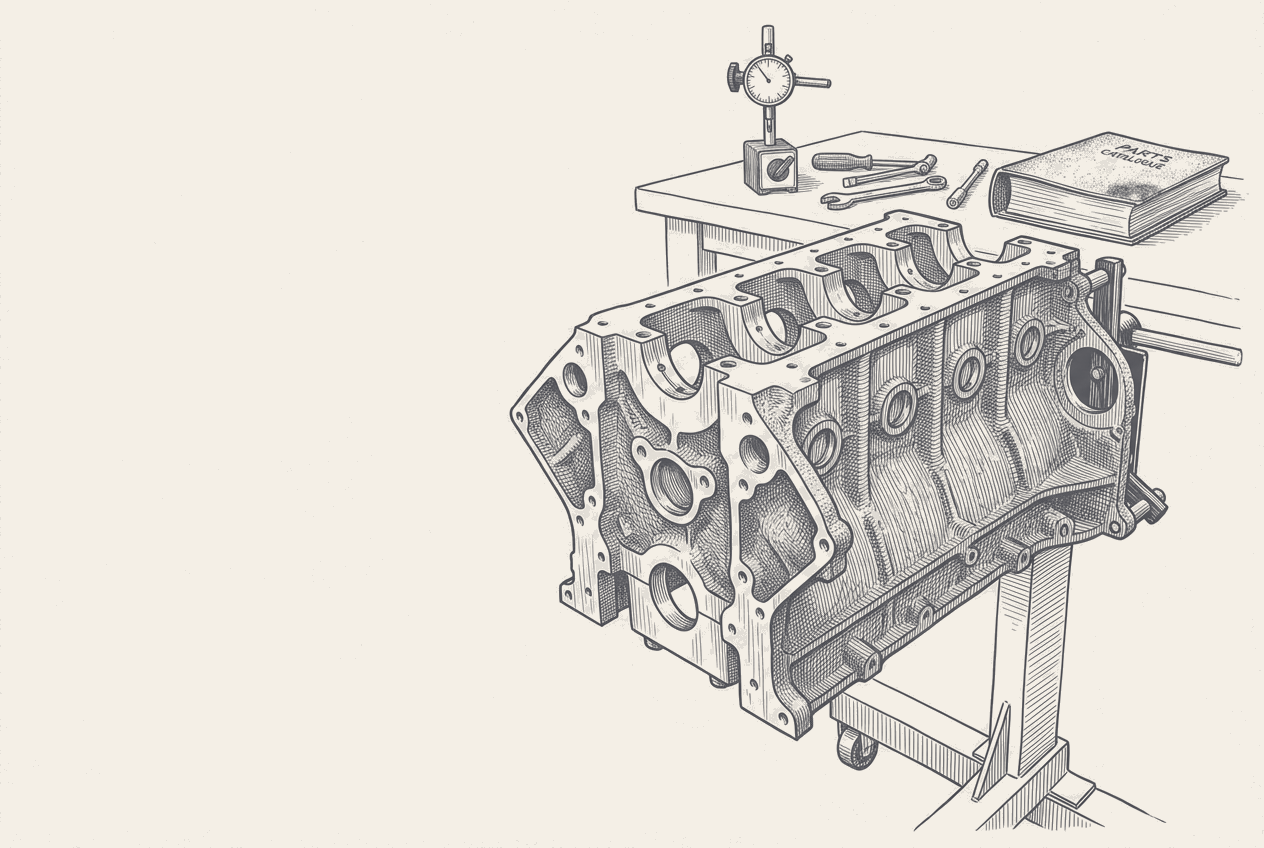
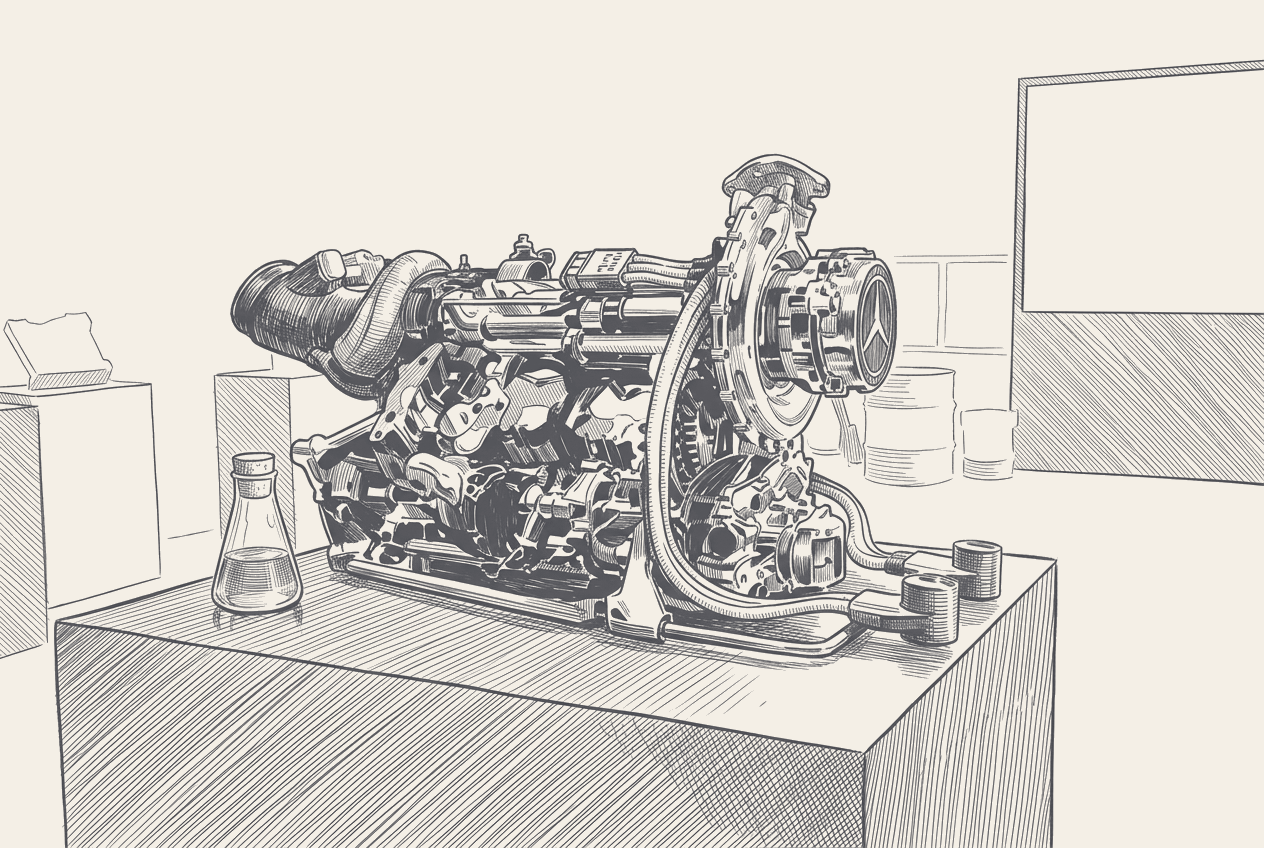
  7. Two-tone hatched-ink illustration traced from a photograph of a bare Formula 1 V-configuration engine block on a workshop stand, sponsor marks and manufacturer badges stripped.

    The FIA wants to sell every customer team the same V8, so no manufacturer can whip a B-team's vote.

    Mohammed Ben Sulayem used the British Grand Prix to float three ideas for Formula 1's 2031 reset: a cheap V8, an FIA-appointed engine any customer team can buy, and the return of refuelling. The engine plan is the one about power inside the paddock, not power on the track.

  8. Two-tone hatched-ink illustration traced from a photograph of a 2026 Formula 1 car's rear wing in its rotated low-drag position, viewed from behind and above, liveries and sponsor logos stripped.

    Red Bull's rotating rear wing has crashed Verstappen twice in eight days. At Spa, keeping it and dropping it both cost lap time.

    The Macarena wing flips the rear flap upside down to shed drag, and it is the fastest thing on Red Bull's car down a straight. Two failures on Verstappen's car and an FIA compliance query now put the concept on trial the week Formula 1 reaches one of its most drag-sensitive circuits.

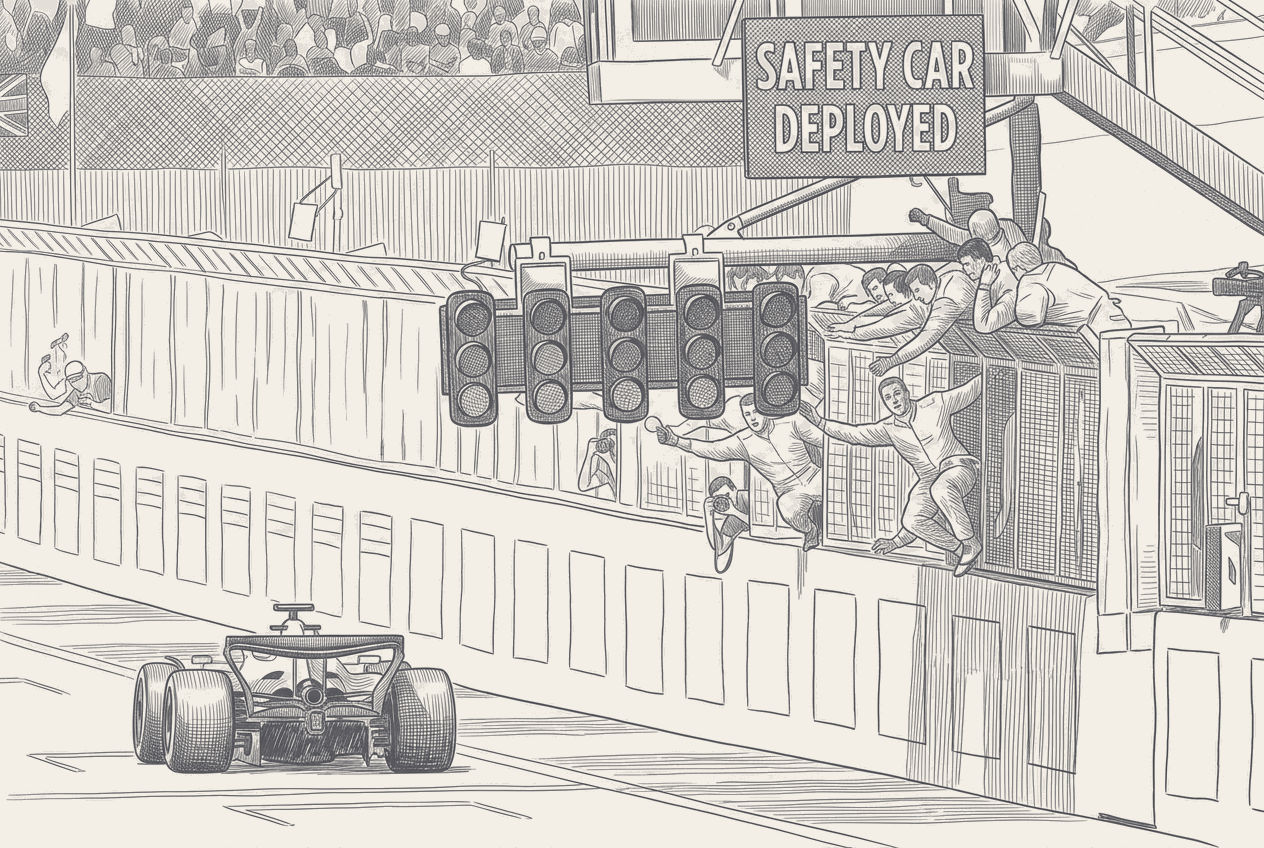
  9. Two-tone hatched-ink illustration traced from a photograph of the Silverstone start-finish straight with the safety car leading a bunched field under the gantry, liveries and sponsor logos stripped.

    The FIA automated the safety-car restart to prevent another Abu Dhabi. At Silverstone the automation told the grid a restart was coming, then never delivered it.

    A "Safety Car In This Lap" message flashed up in the last laps at Silverstone, promised a green-flag shootout, and then withdrew it. The FIA calls it a software error. The uncomfortable part is that the software exists because of Abu Dhabi 2021, and the grievance it revived is the exact one it was built to bury.
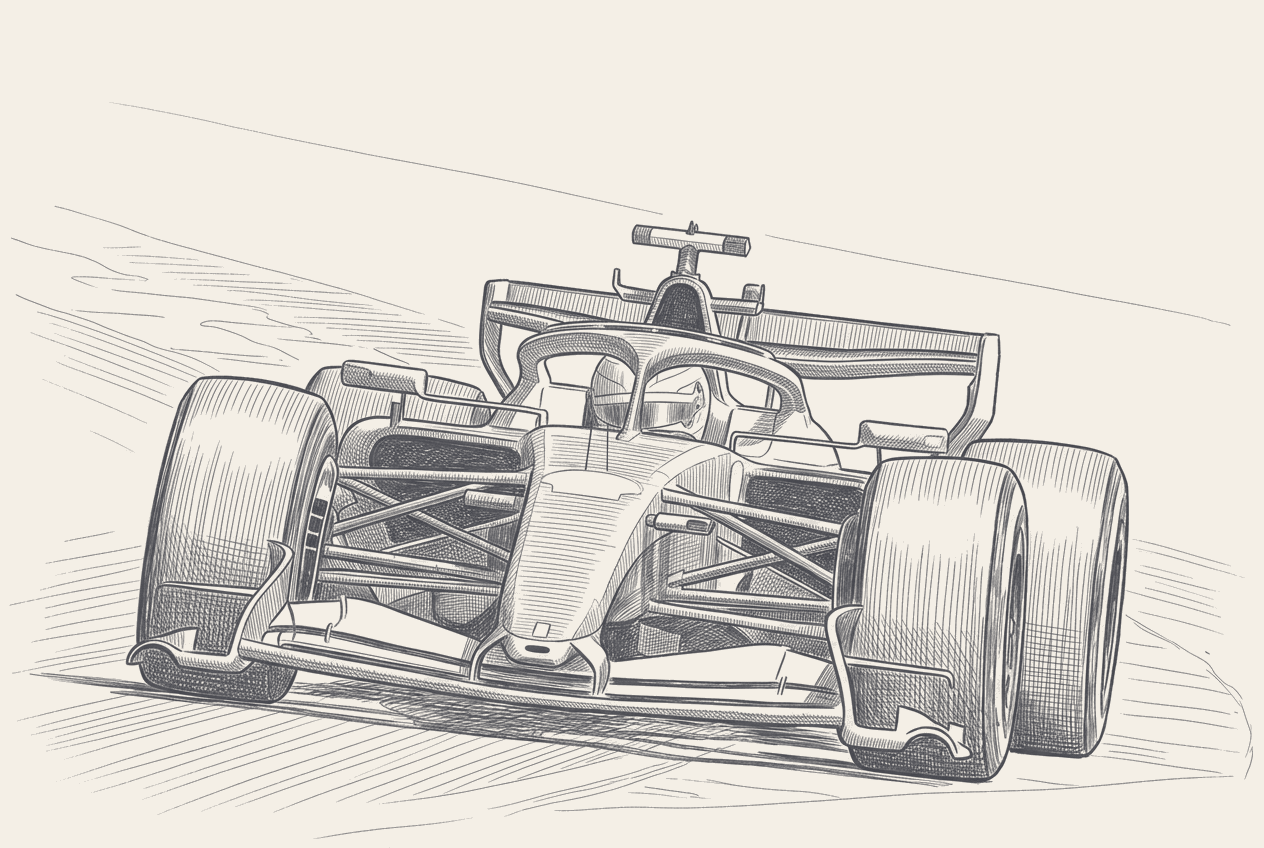
  10. Two-tone hatched-ink illustration traced from a photograph of Charles Leclerc's Ferrari SF-26 at speed through a fast Silverstone corner, liveries and sponsor logos stripped.

    Ferrari has won two of the last six races. One came when a Mercedes broke. The question Silverstone leaves open is whether the SF-26 is quick or just lucky.

    Charles Leclerc ended a 20-month drought at Silverstone, and Ferrari scored its first win-and-podium double of the year. The car looked genuinely better. It also won because the Mercedes leading the race lost a wheel shield on lap 41. Both things are true, and only one of them will still matter once Ferrari reaches a hot, rear-limited track. Spa is next; the Hungaroring, a week later, is the real test.