RACE · TO-ROAD

Race-to-Road

How engineering moves from the paddock to the road. Hybrid systems, fast-charging architecture, materials science, suspension geometry, software calibration: the path from a regulated racing series to the car you actually drive.

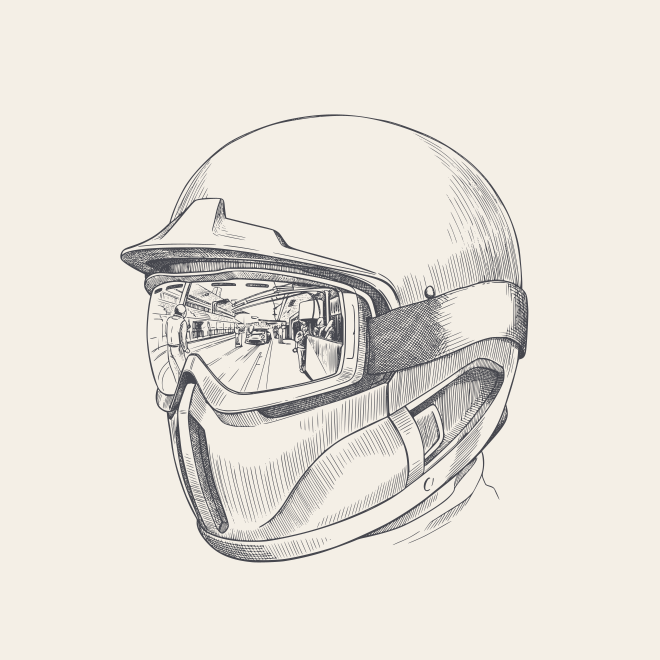
  1. A calendar strip of F1 weekend formats drawn as a technical illustration, conventional rounds marked with an open practice slot and sprint rounds marked closed, a single junior-driver helmet slotted into one open window.

    The grid's busiest way to develop a young driver is a single practice hour. Sprint weekends switch it off, and Spa switches it back on.

    Aston Martin runs Jak Crawford in Belgian Grand Prix first practice, its third of four mandated rookie sessions. The rule fixes the number at four a season. The calendar decides when they can happen, and every sprint weekend takes one window away.

  2. An F2 car and an IndyCar drawn nose to nose as a two-tone hatched technical illustration, a dividing line between them reading as a ladder rung being stepped down rather than up.

    Colton Herta left IndyCar for Formula 2 to finish his superlicence. The last points require a top-eight season, and he is 18th.

    The FIA raised the superlicence points it awards IndyCar drivers for 2026, and Herta took the opening: step down a rung as Cadillac's test driver and clear the last of the 40-point threshold. The final points are not a formality. They come from finishing the F2 season eighth or better, the one thing his results have not delivered.

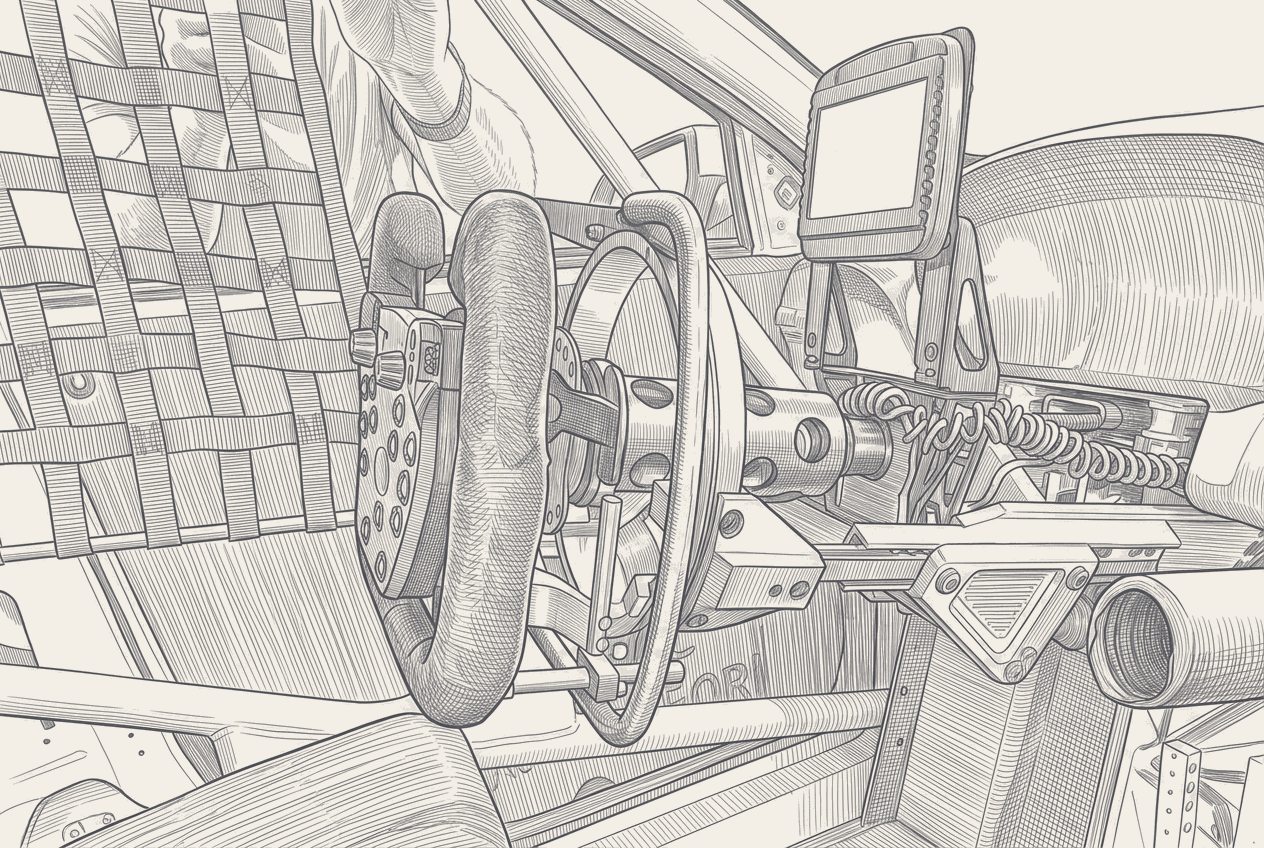
  3. Two-tone hatched-ink illustration traced from a photograph of a hand-operated braking lever mounted to a GT3 steering column, liveries and text stripped.

    The only adapted braking system Robert Wickens owns burned in a transporter fire; a supplier coalition rebuilt it in four weeks for his home race.

    A transporter fire on the road to Laguna Seca burned the one-of-one hand-control braking system Robert Wickens races with. Bosch, Pratt Miller, DXDT and Corvette Racing built and delivered a replacement inside four weeks. He starts his home IMSA round at Canadian Tire Motorsport Park on Sunday, chasing a first win rather than just a return.

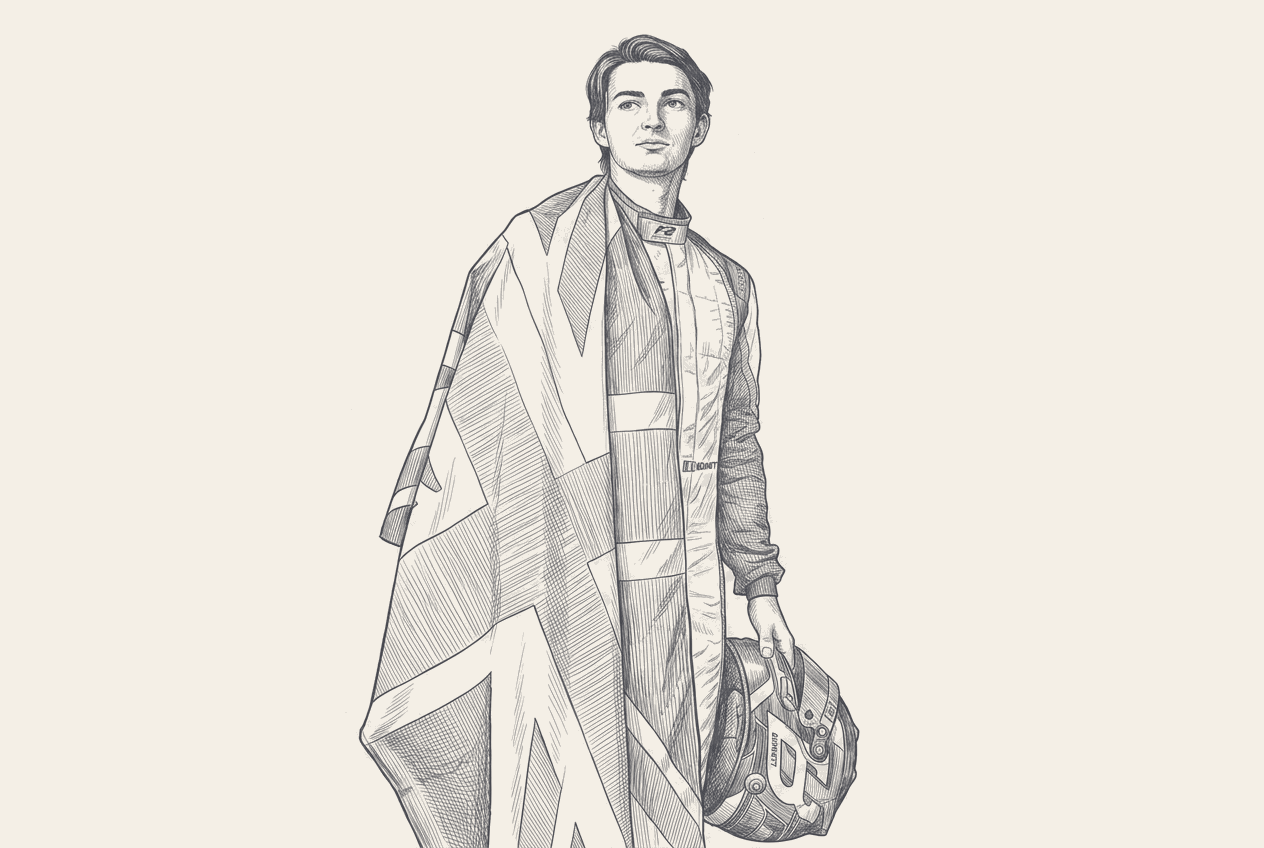
  4. Two-tone hatched-ink illustration traced from a photograph of John Bennett in a Formula 2 cockpit, helmet and liveries stripped, arms raised after a win.

    John Bennett reached F2 straight from GB3 with no academy behind him. In Austria he won a race the system never scouted.

    John Bennett is the first driver ever to reach Formula 2 directly from GB3, and he did it without a manufacturer academy behind him. His maiden F2 win at Spielberg, a last-lap switchback on Sebastian Montoya, is the kind of result the academy system is built to catch early. It did not catch this one. F2 returns to Silverstone this weekend.

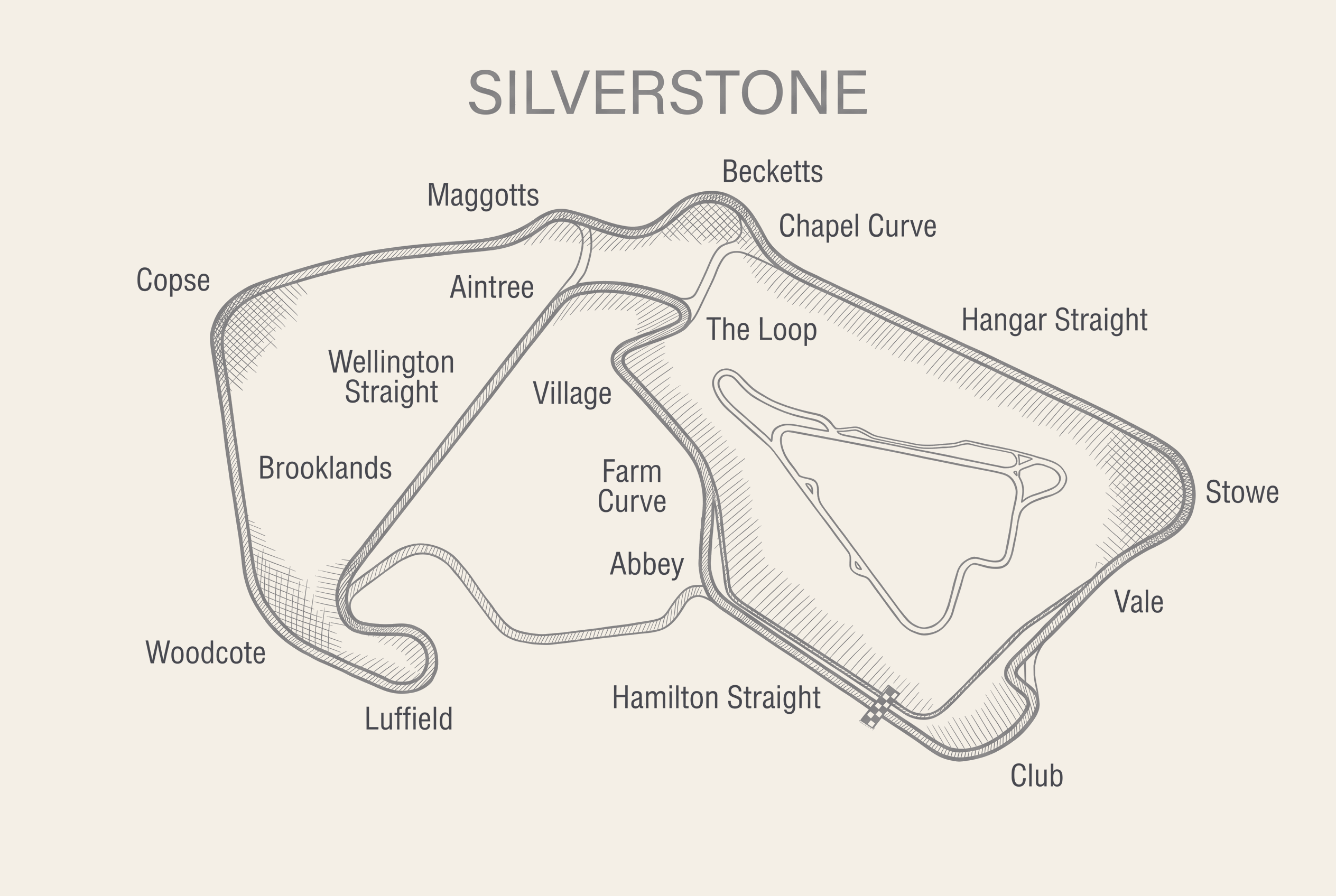
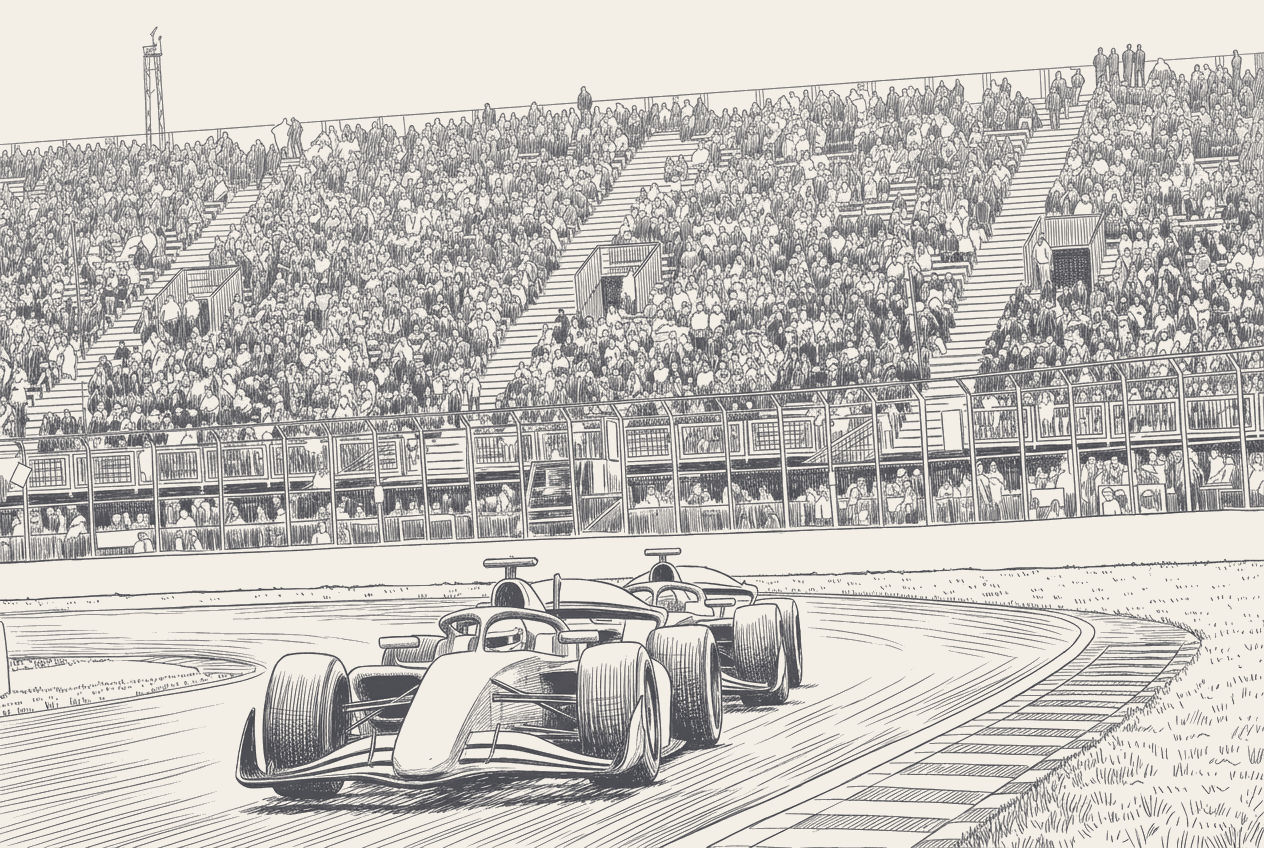
  5. Two-tone hatched-ink schematic of the Silverstone circuit layout with the fast Copse-Maggotts-Becketts-Chapel sequence marked, liveries and logos stripped.

    Silverstone is the first high-speed test of the 350kW rules. The problem is that the track barely brakes.

    The 2026 power units recover almost all of their electrical energy under braking, and the MGU-K now carries close to half the car's output. Silverstone runs Copse, Maggotts and Becketts flat or near it, which leaves it among the fewest braking zones on the calendar to refill a battery the cars lean on harder than ever. The weekend is the clearest read yet on which engine spends its energy best.

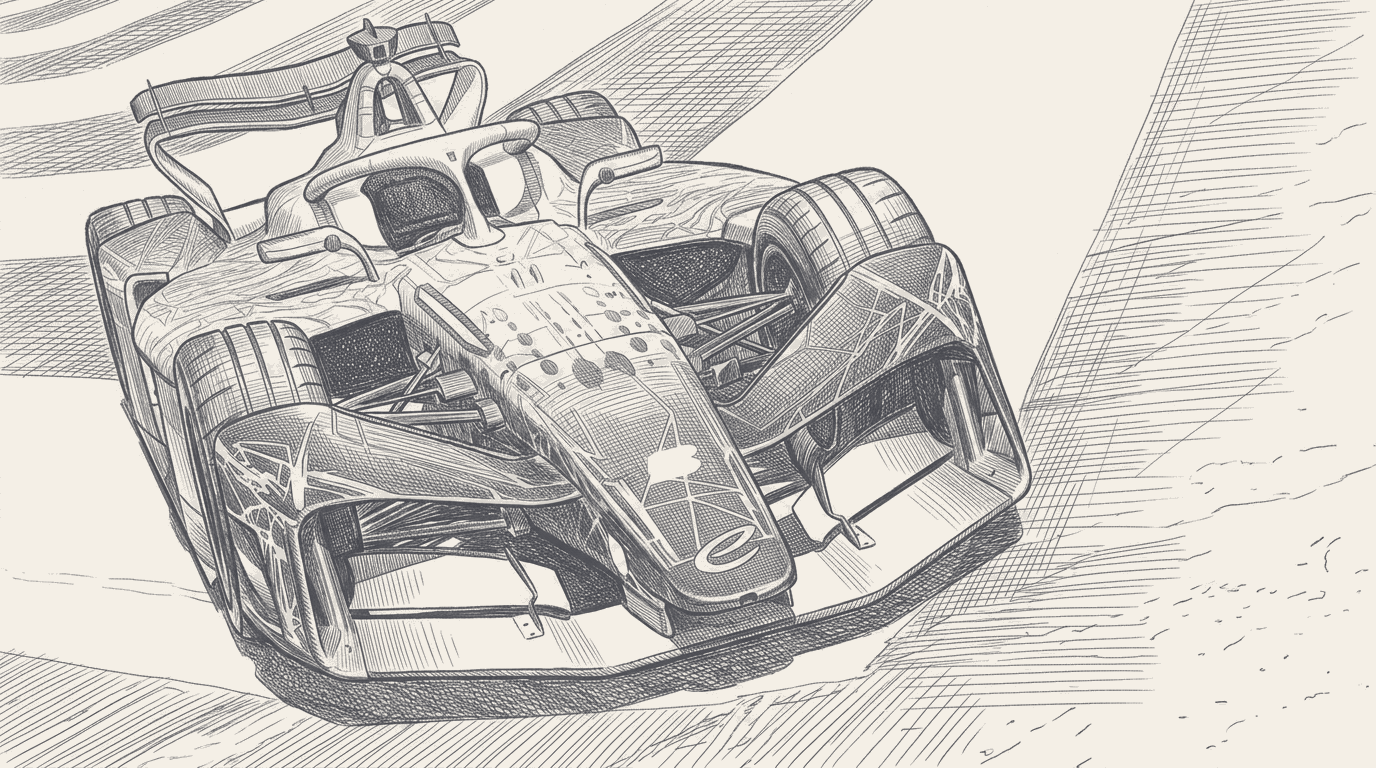
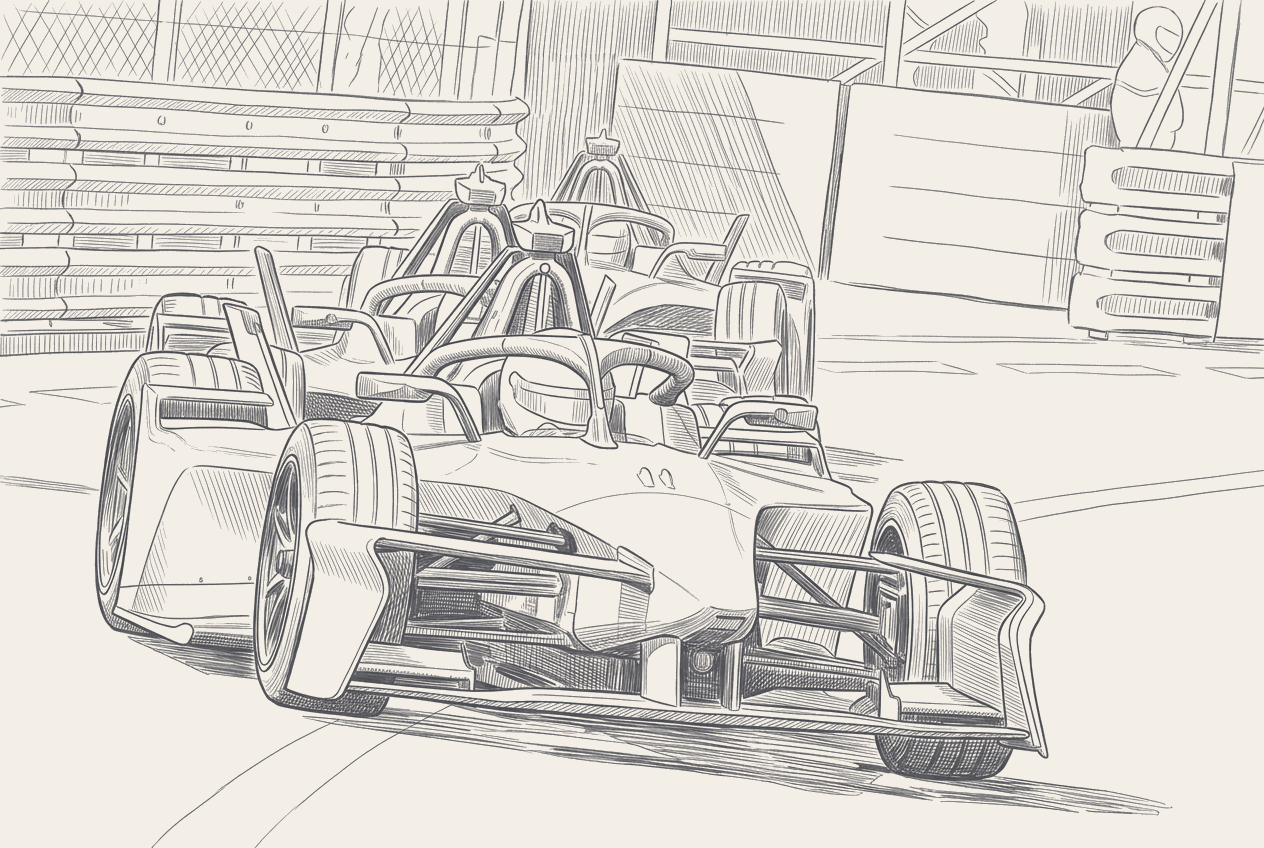
  6. Two-tone hatched-ink illustration traced from a studio photograph of the Formula E GEN4 car in three-quarter profile, liveries and logos stripped, over a calm cream field reserved for the headline.

    Formula E built a 600kW car too big for the street circuits that made it. Its record 21-race calendar moves to Austin, Zandvoort and Brands Hatch.

    The GEN4 car arrives 87kg heavier and 90mm wider than its predecessor, with 600kW and all-wheel drive, and London's ExCeL was judged too cramped to hold it. Formula E's answer is its largest calendar yet, 21 races across 13 cities, two of them in the United States for the first time since 2015.

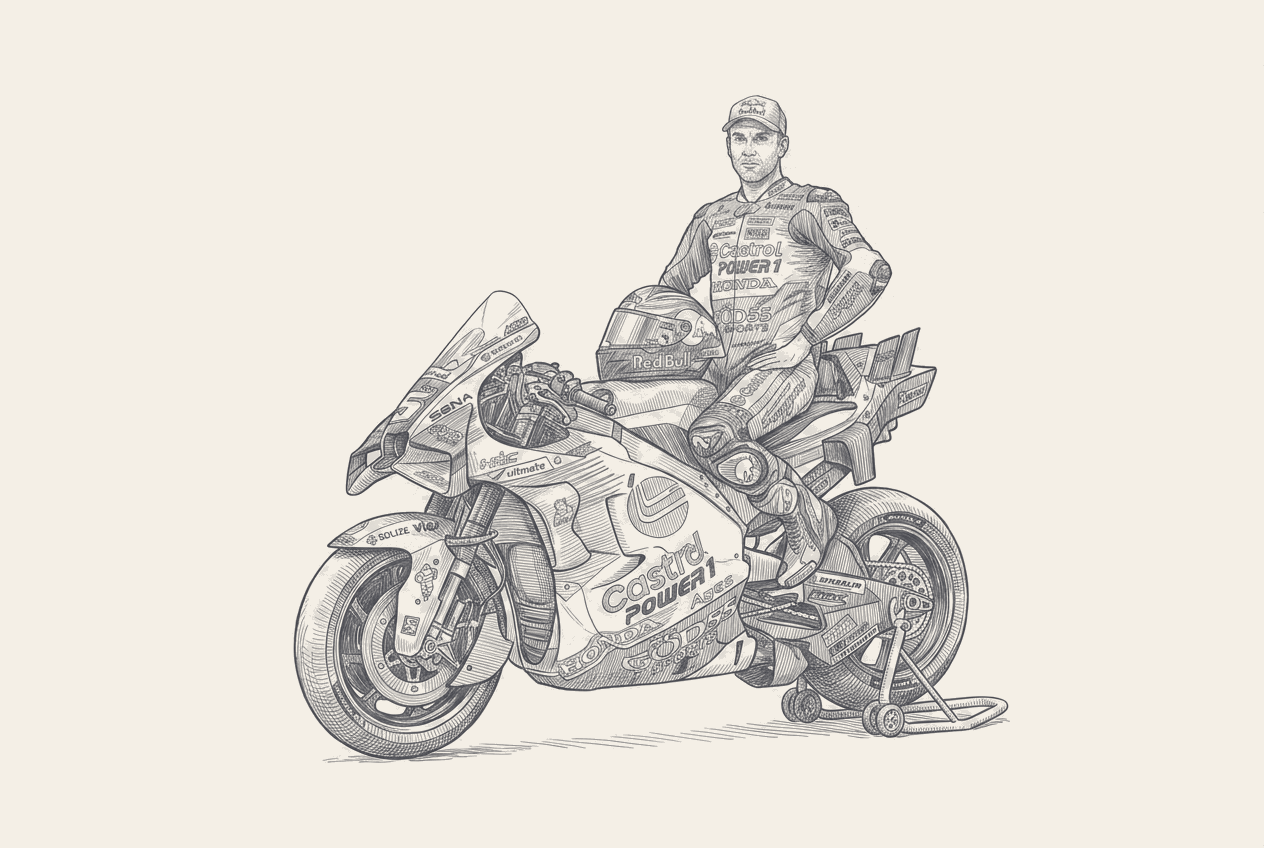
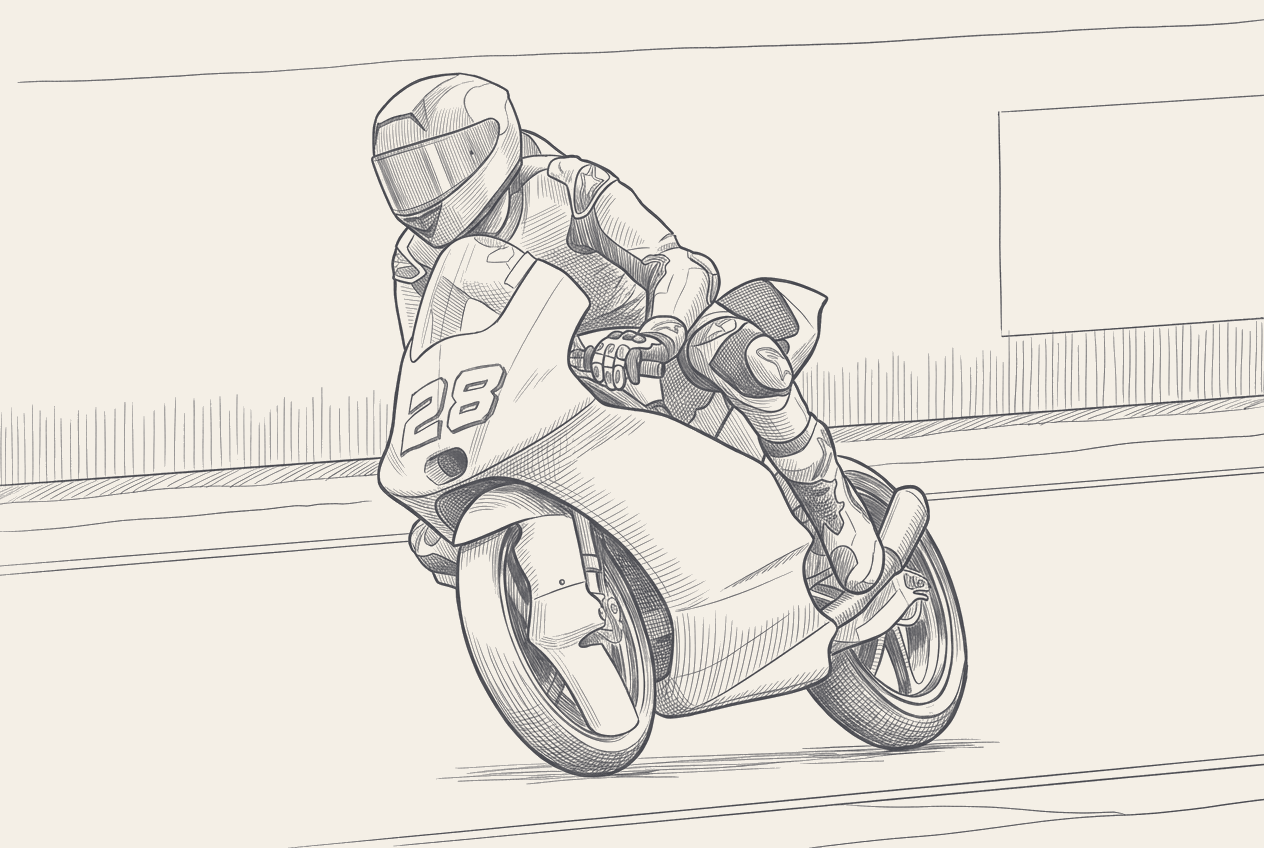
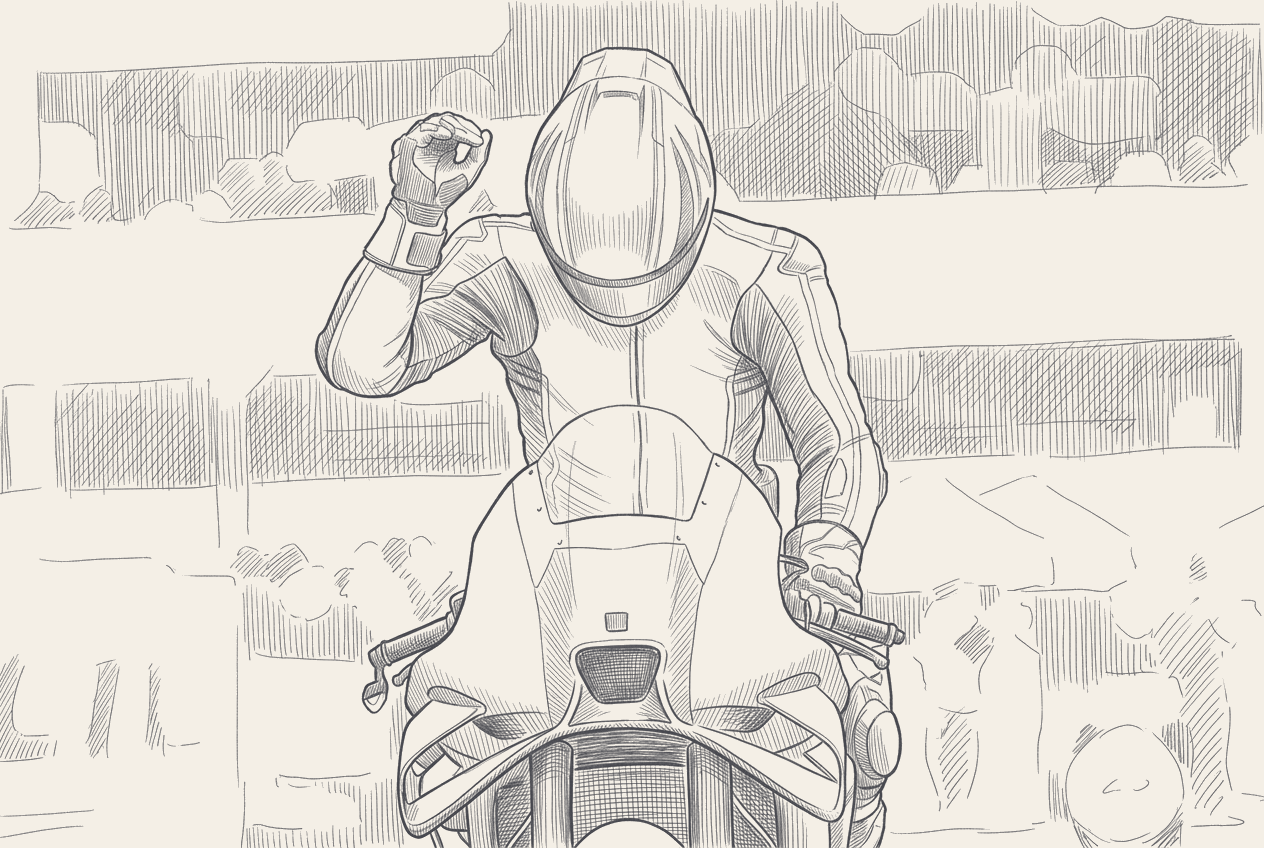
  7. Two-tone hatched-ink illustration traced from a photograph of Johann Zarco with the LCR Honda, liveries and logos stripped.

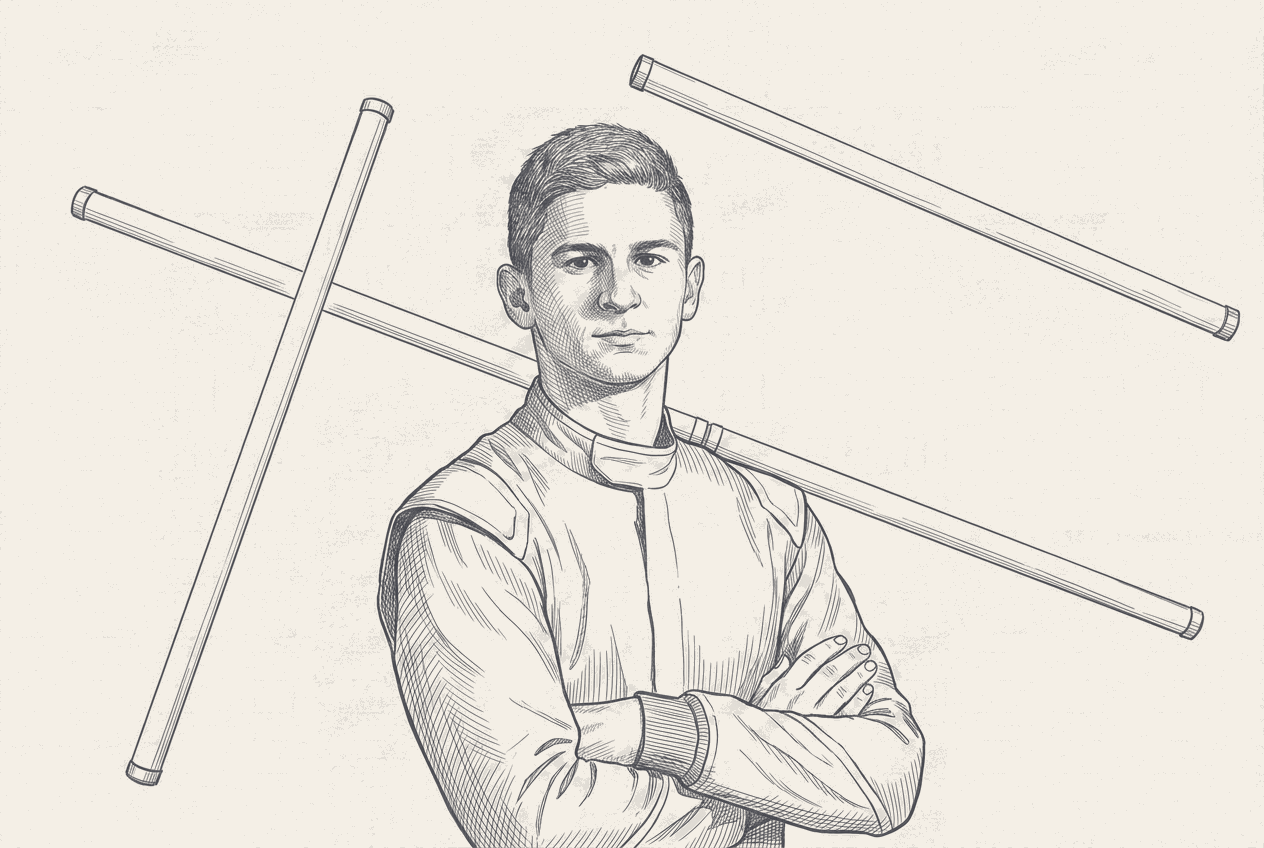
    Johann Zarco was meant to lead Honda's 850cc development. A knee trapped in Bagnaia's Ducati will keep him out three to four months.

    Zarco has not raced since his leg was caught in another rider's bike at the Catalan Grand Prix, and surgery is still on hold. He holds a 2027 Honda contract and was set to lead the manufacturer's switch to 850cc engines and Pirelli tyres. Honda will now do much of that work without him.

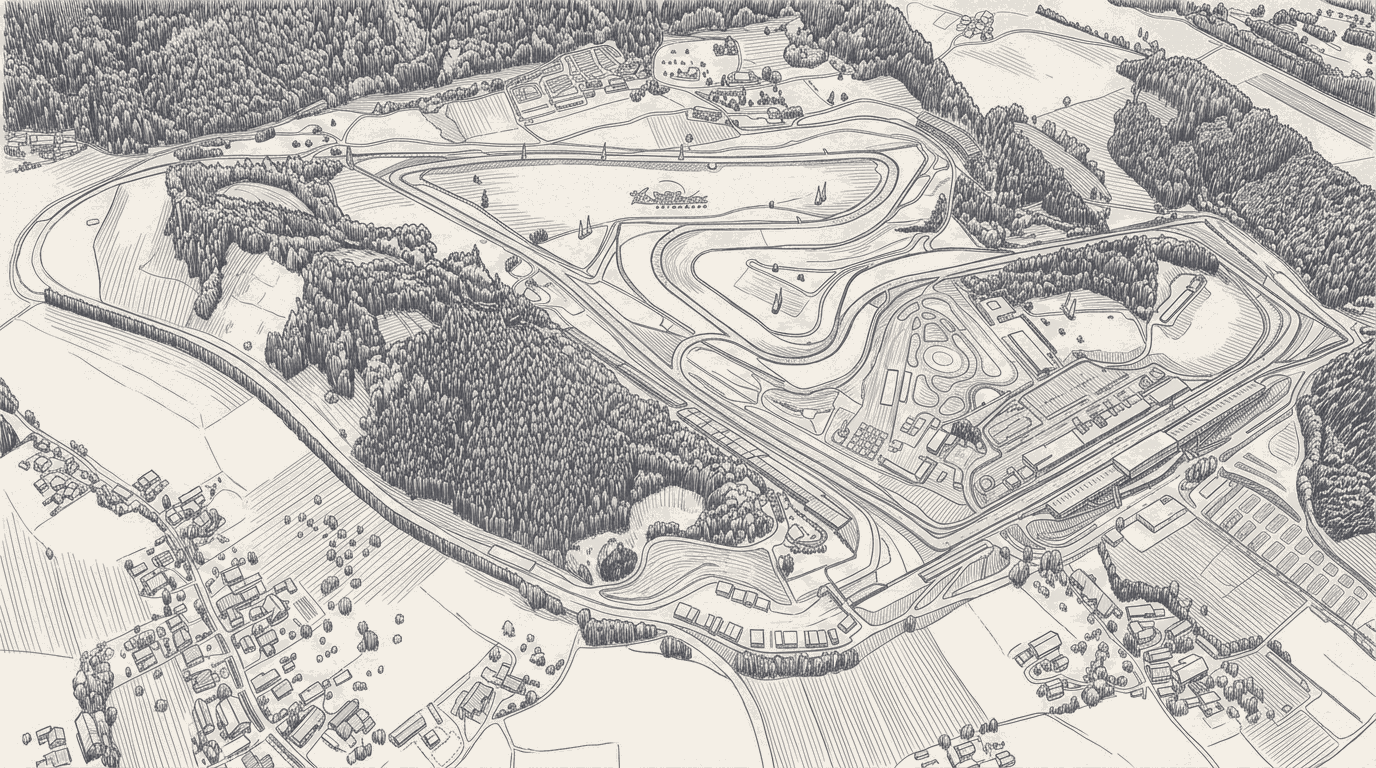
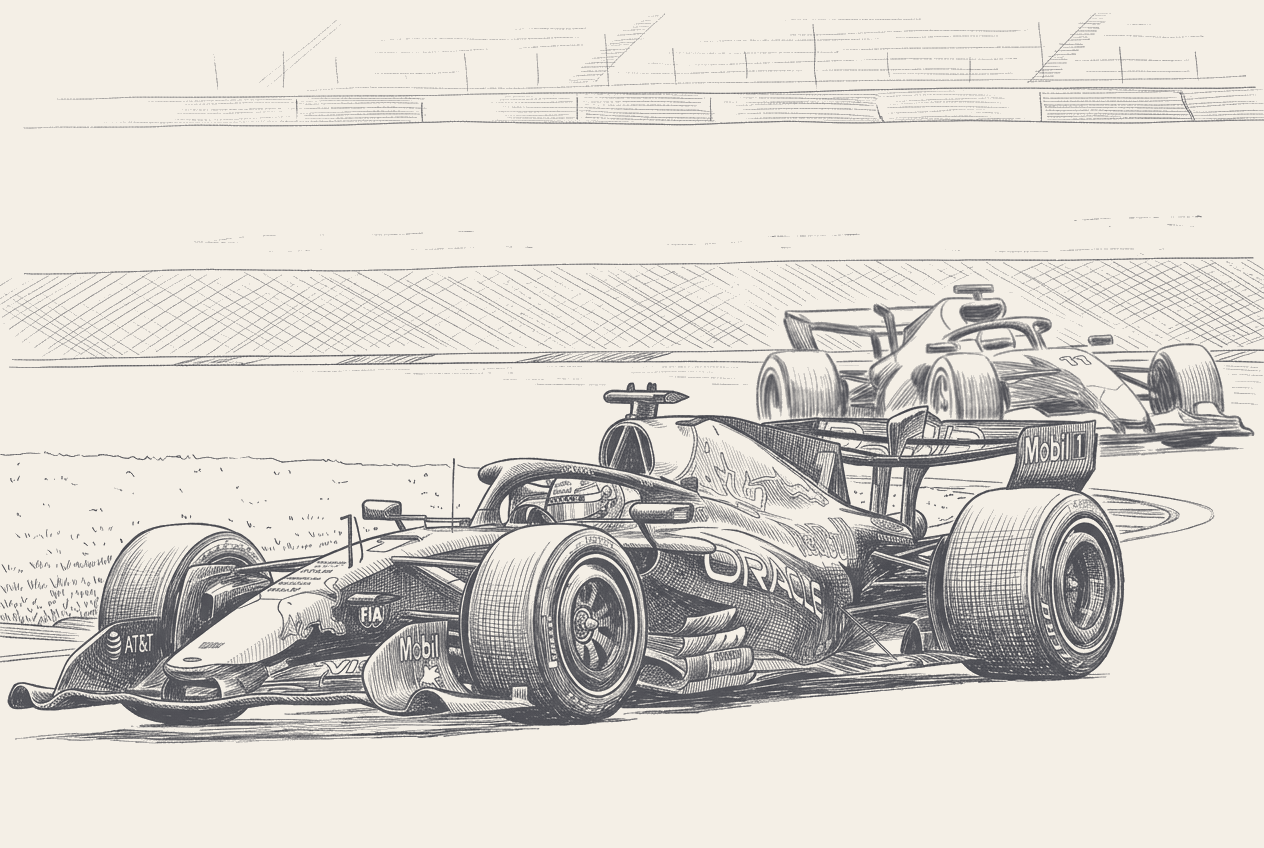
  8. Two-tone hatched-ink illustration traced from a photograph of the Red Bull Ring hillside at Spielberg, or a 2026 Formula 1 power unit, liveries and logos stripped.

    Austria is the first high-altitude race of the no-MGU-H era. Honda says the turbocharger will feel the missing motor.

    The 2026 power units deleted the MGU-H, the motor that kept the turbocharger spinning and harvested its waste heat. At the Red Bull Ring's 677 metres, thinner air makes the turbo work harder, and Honda has warned it may run a deficit. What the missing component did, and why altitude is where its absence gets measured first.

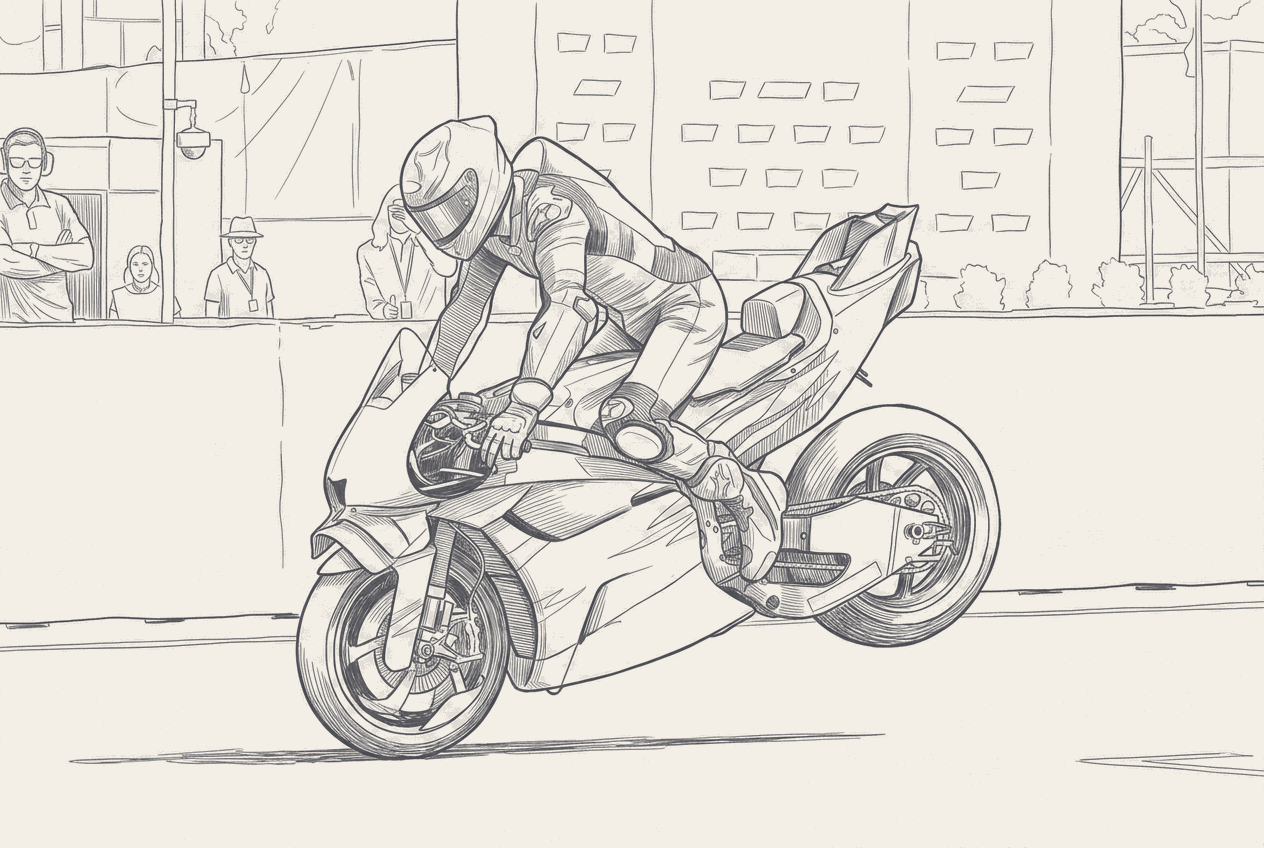
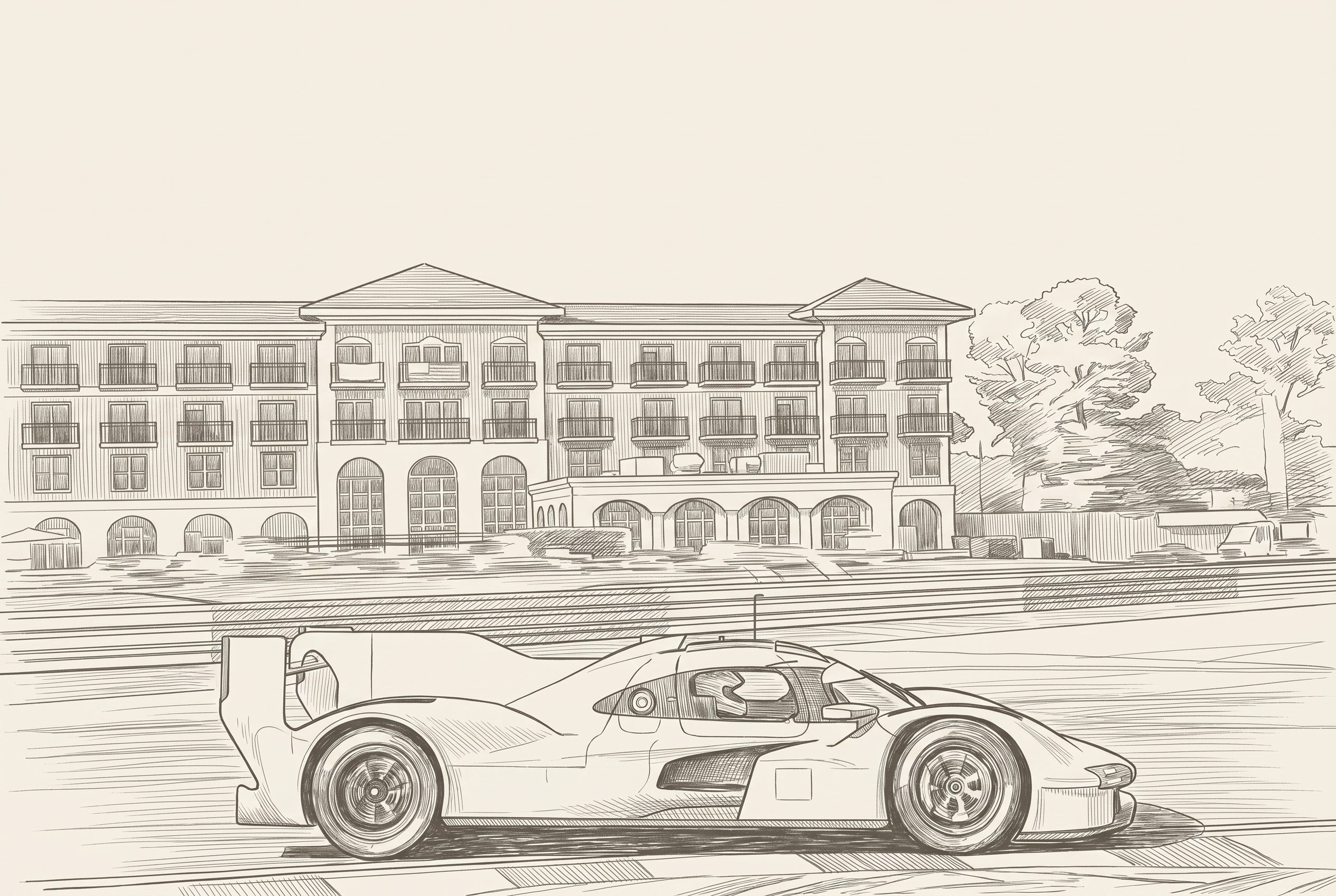
  9. Two-tone hatched technical illustration of a MotoGP front wheel cutaway with a tyre pressure sensor valve picked out, a dashboard warning bar reading 1.80 along the lower frame, and a rider tucked in the hot wake of a leading bike sketched behind, Brno's downhill Turn One esses in the background.

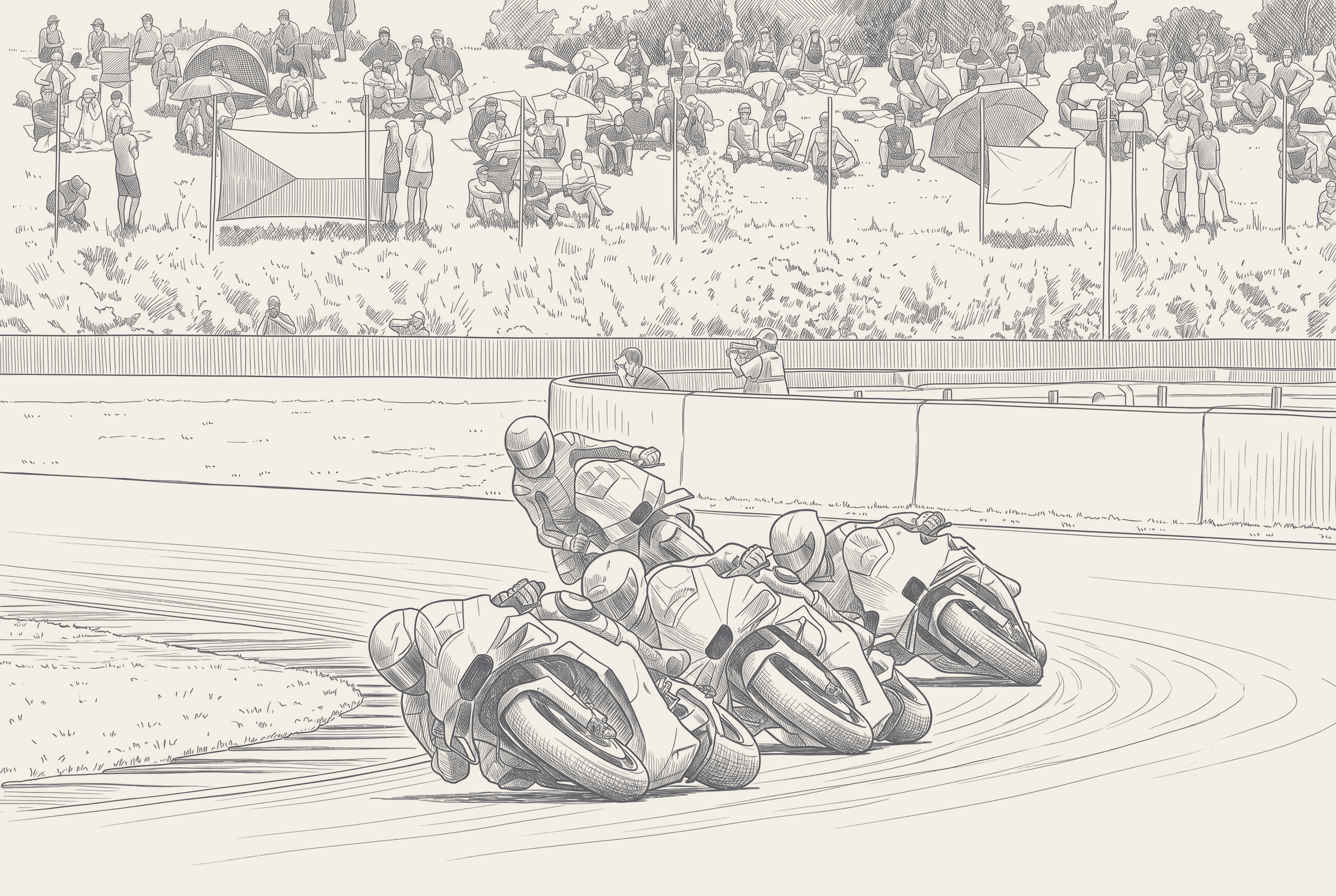
    Pedro Acosta spent the Brno race chasing 1.80 bar. The front tyre pressure window, not horsepower, set the order behind Marc Marquez.

    Acosta gave up two places and rode in the hot wake of slower bikes to keep his Michelin front above the mandated minimum. At a resurfaced, record fast Brno, that single number shaped the race behind the leaders more than any engine did.

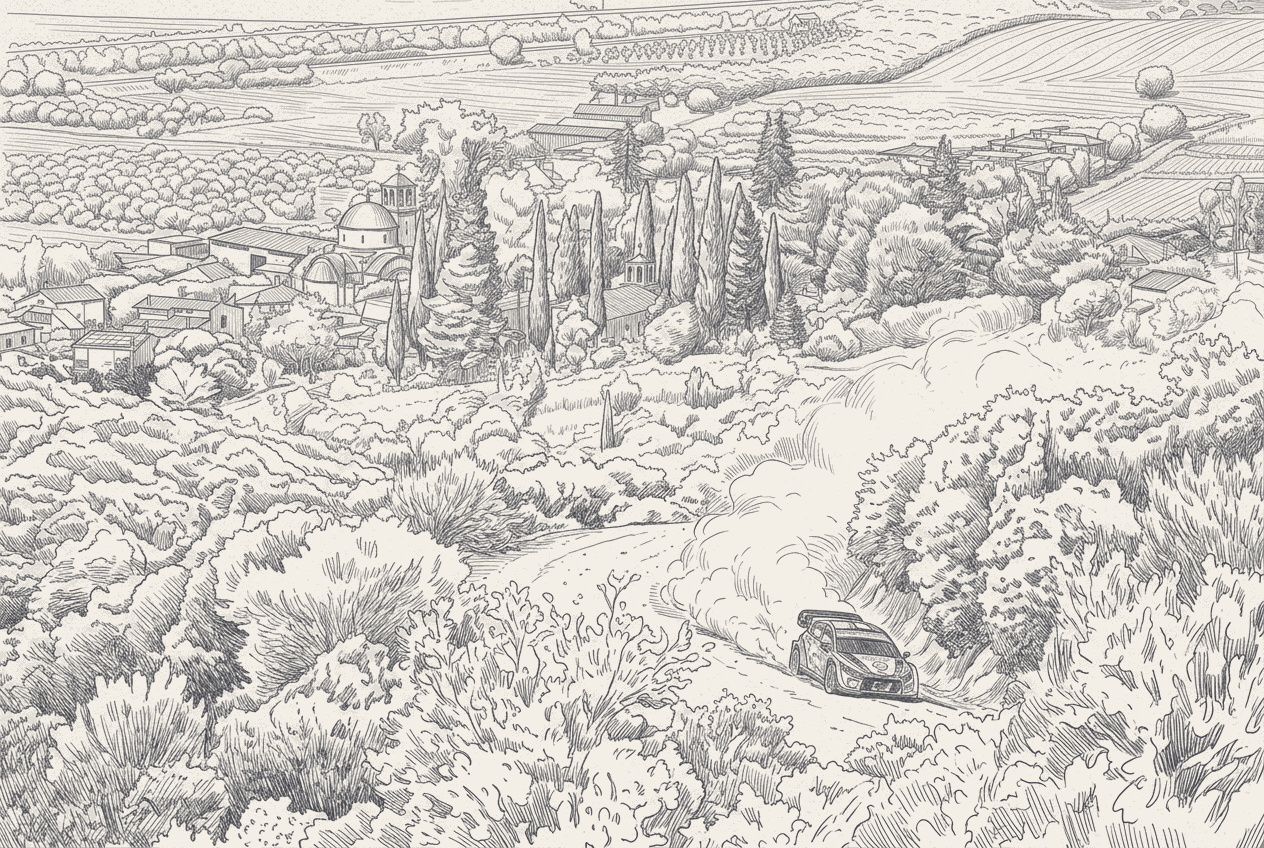
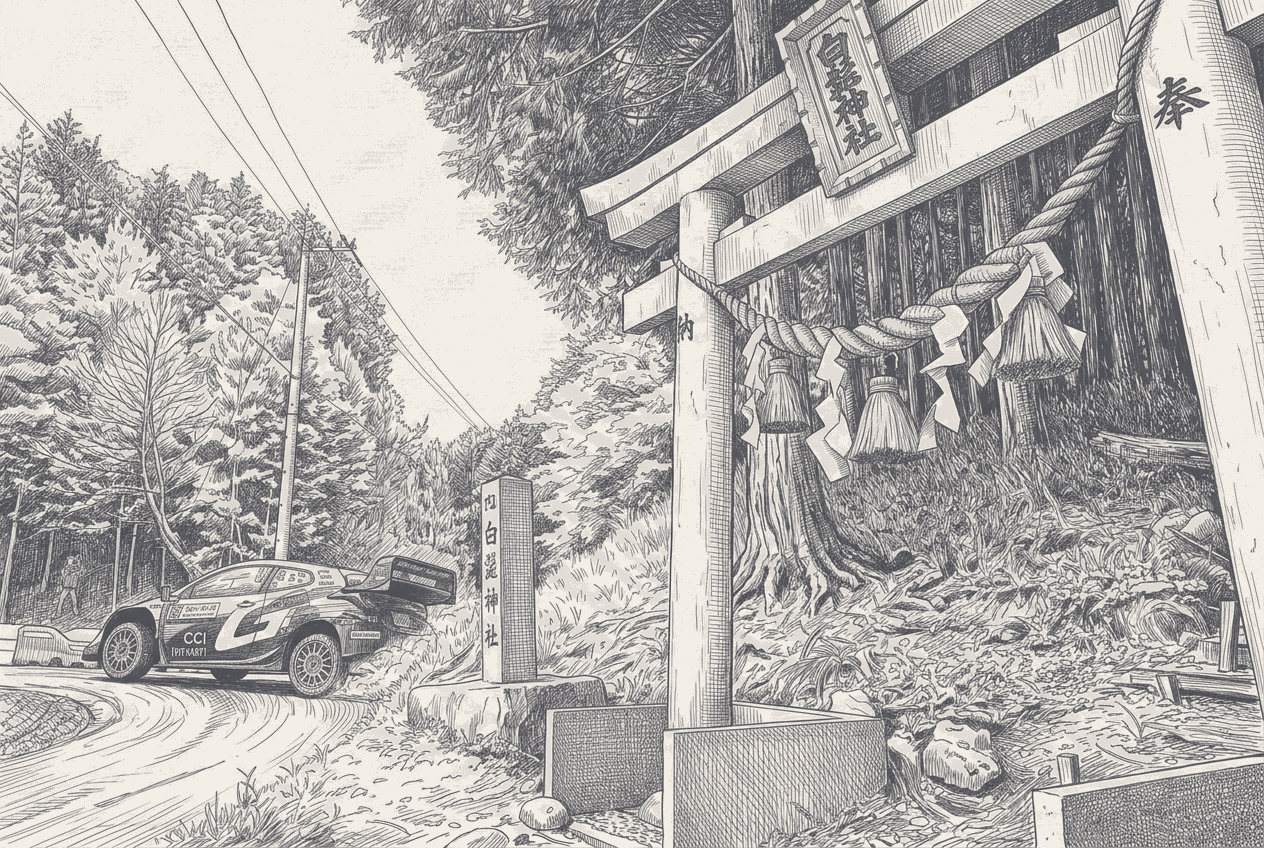
  10. Two-tone illustration of a Rally1 car raising a dust plume on a rock-lined Greek hillside stage under a hard sun, a cracked suspension arm and a worn tyre rendered as inset cutaways at the frame edge.

    The Acropolis Rally returns to Loutraki for its 70th running, on the roughest gravel the championship visits

    The Acropolis runs 17 stages and 323 km of jagged gravel from June 25, its 70th edition and its first based in Loutraki since 2013. The crews call it the Rally of Gods because it breaks cars, and the reliability it demands is the clearest line from a rally stage to the road car on the badge.