The UK Supreme Court agreed to hear four questions about Felipe Massa. Not one of them is about Singapore 2008..
On May 26, 2026, Lord Reed, Lord Hamblen and Lord Richards granted Formula One Management, Bernie Ecclestone and the FIA permission to appeal directly to the UK Supreme Court, per the court's own case record for UKSC/2026/0034. The grant skipped the Court of Appeal entirely, a procedural step the profession calls a leapfrog and Fountain Court Chambers confirmed as exactly that. What the three defendants are appealing is narrow, and understanding how narrow is the whole of understanding this case.
Felipe Massa lost the 2008 Formula One World Championship to Lewis Hamilton by a single point. At the Singapore Grand Prix that September, Nelson Piquet Jr crashed his Renault deliberately, the safety car it triggered wrecked Massa's race from the lead, and he scored nothing. Massa's case is that Ecclestone and the FIA's then-president knew the crash was rigged before the 2008 season was certified, and chose not to investigate in time. That story is the reason anyone is interested. It is not the question in front of the Supreme Court.
What Mr Justice Jay struck out, and the one claim that survived
By orders dated November 20, 2025 and March 5, 2026, Mr Justice Jay dismantled most of Massa's case before it could reach a courtroom. He struck out the contract claim against the FIA, the inducement claim against FOM and Ecclestone, the tort claim built on the FIA's own statutes, and the request for a declaration that Massa was wrongly denied the title. Four routes to the same destination, all closed. The Sky Sports account of the ruling records that the defendants were nonetheless ordered in March to pay £250,000 toward Massa's costs, because the one claim Jay refused to strike out was enough to keep the action alive.
That surviving claim is unlawful means conspiracy. It alleges that two or more parties combined to injure Massa by unlawful means, that the means here was the decision not to investigate a race they had reason to believe was fixed, and that the injury was a championship and the earnings that came with it. Jay decided the claim was arguable enough to go to a full trial. The appeal now in front of the Supreme Court is the defendants' challenge to that single decision, and to nothing else.
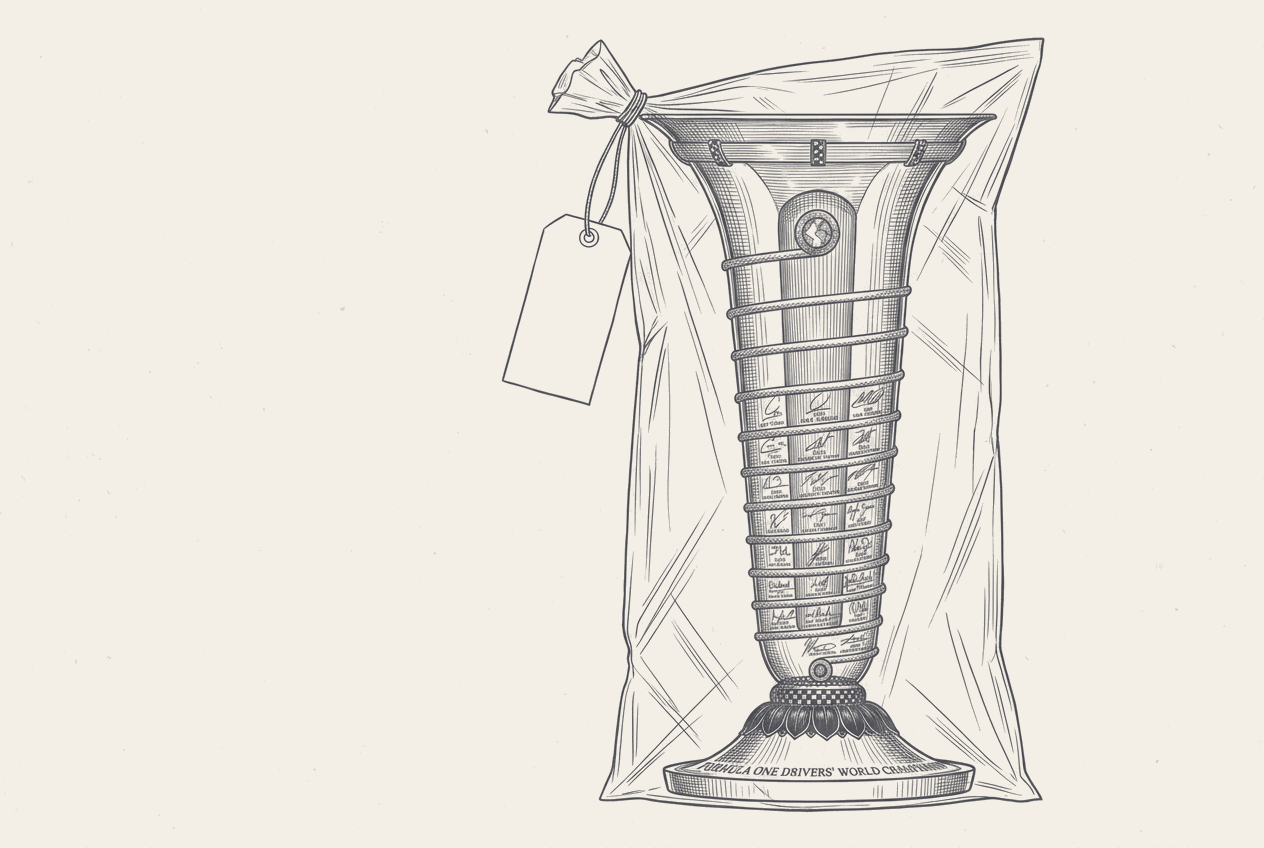
This distinction matters because it changes what a Massa win would even mean. He is not asking the Supreme Court to make him the 2008 champion, and the RaceFans legal analysis published on July 13 is right to stress that the declaratory route died with Jay's orders and was not appealed. The trophy is gone as a legal object. What is left is a damages claim worth close to £64 million, and the question of whether it is allowed to proceed at all.
The four questions, in plain terms
Each of the four questions the court agreed to hear is a question of law, and each asks whether the conspiracy claim rests on a foundation the law will actually bear. The first asks whether a conspiracy claim can be founded on a civil wrong that the claimant could not have sued on directly. Massa cannot sue the FIA in contract, because Jay struck that out. The question is whether the same conduct, repackaged as the unlawful means inside a conspiracy, can do the work the direct claim was not allowed to do.
A second question asks whether the claim can rest on a contract to which Massa was never a party. The commercial agreements that governed the 2008 championship were between the teams, the FIA and the commercial rights holder, not between the governing body and an individual driver. A driver asking a court to treat a breach of those agreements as a wrong done to him personally is asking the law to reach across a contractual boundary it usually respects.
The third question is whether a breach of foreign law can supply the unlawful means. The conduct Massa complains of was governed in part by the law of other jurisdictions, and English courts are cautious about building a domestic tort on a foreign-law violation. The fourth is the sharpest: whether conduct can count as unlawful means when the defendant did not know it was unlawful at the time. If the answer is yes, the mental state required to be liable for conspiracy drops sharply, and the category of people who can be swept into one widens with it.
None of these four questions mentions a lap, a safety car or a points table. Each goes to the elements of the tort of conspiracy itself, and the Supreme Court took the case because the Court of Appeal has not settled them and a High Court judge has now let a very large claim proceed on unsettled ground. That is the honest description of why this is being heard: not because Singapore 2008 is unresolved, but because the law underneath the claim is.
What is left is a £64 million claim, and it is hard to win
The money is straightforward to state and hard to win. Close to £64 million, representing the earnings and career value Massa says the lost championship cost him, contingent on a trial that has not been scheduled and a set of legal questions that must be answered in his favour first. The Fountain Court note makes clear that the Supreme Court is being asked to rule on whether the claim may proceed, which means a defendant win ends it and a Massa win merely returns it to the queue for trial. He is several victories away from a penny. Even a full trial would then have to establish that the uninvestigated crash actually cost him the championship, a causation question the £64 million figure assumes rather than proves.
The precedent risk, and why the defendants leapfrogged to close it
Ecclestone, FOM and the FIA did not appeal to protect Bernie Ecclestone's reputation, and they did not fight to the Supreme Court over £250,000 in costs. They appealed because a live conspiracy claim against a governing body, allowed to stand at the highest level, is a standing invitation. The leapfrog itself is the tell: skipping the Court of Appeal is a request for the final word as fast as procedurally possible, and courts grant it only when the point of law is genuinely important and genuinely unsettled.
Consider the shape of a sport if the four questions are answered Massa's way. Any driver, team or manufacturer with a decade-old sense of injustice about a stewards' decision, a technical ruling or an uninvestigated incident acquires a route into the civil courts, provided they can name two parties and an unlawful means. The governing body's defence that it did not know its conduct was unlawful at the time falls away under question four. Its defence that the aggrieved party had no direct contractual claim falls away under questions one and two. Two of the walls that have kept sporting disputes inside sporting tribunals come down.
Now consider the opposite ruling. If the Supreme Court closes the four questions in the defendants' favour, the tort of conspiracy is confirmed as a narrow instrument that cannot be used to smuggle in claims the law otherwise bars, and Massa's action ends without a trial. Sporting authorities keep the protection that lets them make fast, final, sometimes wrong decisions without inviting a damages suit for every one that ages badly. The cost of that certainty is that a driver with a genuine grievance and a plausible story about a fixed race is turned away at the door on a point of pleading.
Neither outcome is clean, which is why it sits at this court and not a lower one. A hearing date has not been set, and the case record still lists the appeal as awaiting one. When it is heard, the question to watch is which of the four walls the Supreme Court decides to leave standing, and how many future claims walk through the gaps.