A lost F2 podium, and the super-licence math still standing between Herta and Formula 1.
A podium lost on the last lap
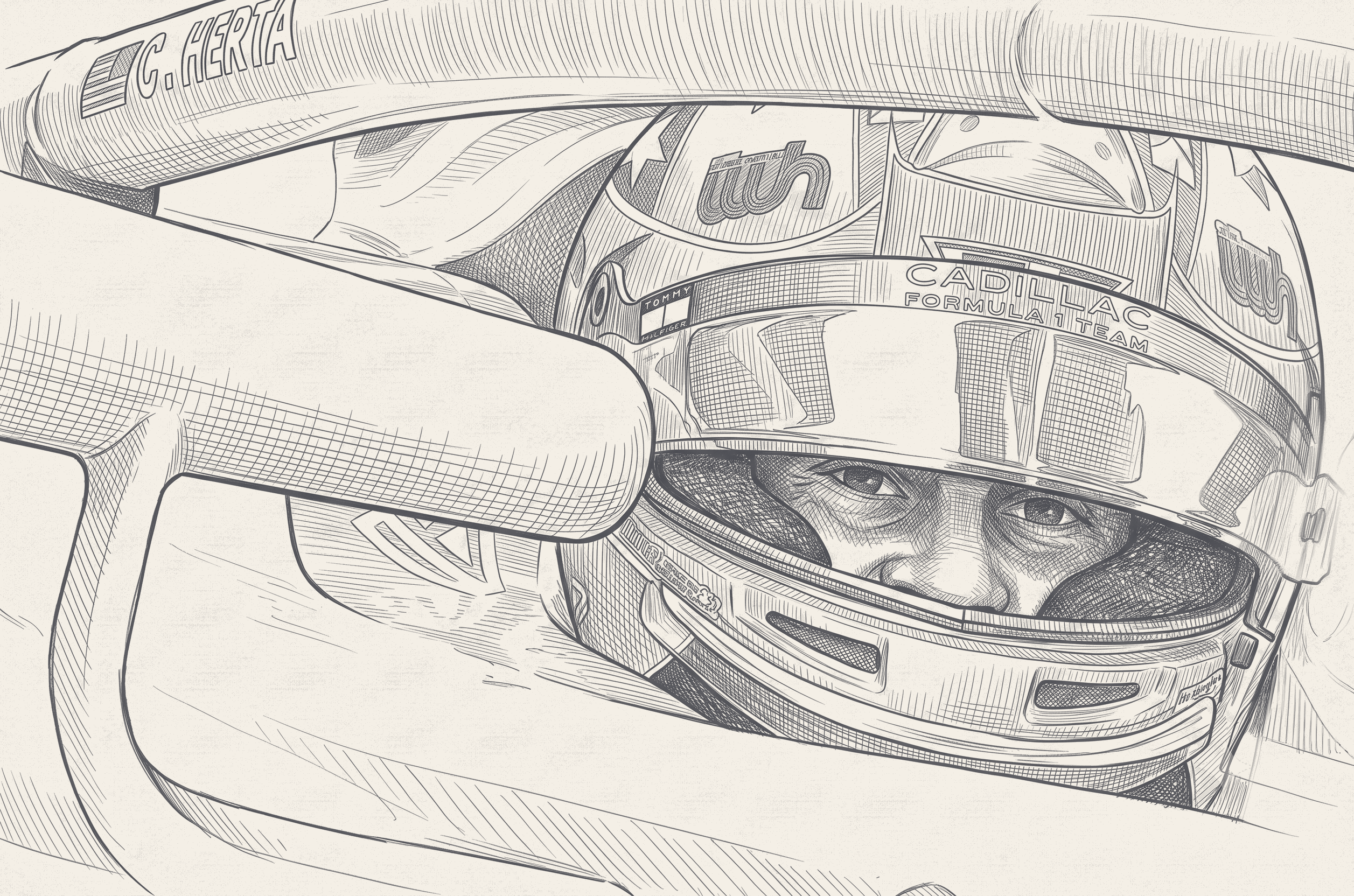
Colton Herta lost his first Formula 2 podium on the final lap of the Barcelona sprint, a mistake that dropped him to fifth and four championship points where a top-three finish had been his. The result reads as a near-miss, but the number that matters to Herta this season is not his finishing position. It is the super-licence tally that a podium would have edged forward and a fifth place barely moves.
Herta is in Formula 2 in 2026 for one reason, and it is not the racing. The 26-year-old IndyCar race winner is chasing the FIA super-licence points he needs to be eligible for Formula 1, and a maiden F2 podium surrendered with a lap to go is the difference between closing that gap a little and barely touching it.
The forty-point wall
A Formula 1 super-licence requires 40 points accumulated over a rolling three-season window, and Herta has spent years on the wrong side of that line. The FIA's refusal to grant him a licence in 2022, when an IndyCar campaign that would have been more than enough in most ladders still left him short of 40, is the case that made the threshold famous, and his tally has sat in the low-to-mid 30s for much of the time since.
The three-season window is the part that makes the chase a race against time as much as against rivals. Points earned in older IndyCar campaigns roll off the back of the count as new seasons are added, so Herta is not simply adding to a static total; he is topping up a tally that quietly drains from the far end. A strong 2026 has to outrun the expiry of the results that got him close in the first place.
Two things changed the calculus for 2026. The FIA increased the super-licence allocation it awards to NTT IndyCar Series finishers beginning this season, Motorsport.com reported, and Cadillac's arrival on the Formula 1 grid gave an American driver a credible seat to chase. Herta ran an FP1 session for Cadillac on Friday at Barcelona, the clearest signal yet of where this is heading, and the F2 campaign is the bridge between the seat and the paperwork.
The title picture moved on without him
Rafael Camara won the Barcelona feature race from pole for his maiden Formula 2 victory, heading Alexander Dunne and Gabriele Mini, with Nikola Tsolov fourth, Formula1.com reports. The 20-year-old Ferrari Academy driver lost the lead at the start, ran a 22-lap opening stint far longer than his rivals could manage, and undercut his way back to the front, a strategic win rather than a straight-line one.
Tsolov's fourth place left the Campos driver second in the Formula 2 championship, six points behind Gabriele Mini, per RacingNews365's standings. Kush Maini had taken the sprint by around seven seconds the day before for ART's first win of the season, the same race in which Herta's podium slipped away.
Why every position counts
The FIA awards super-licence points on end-of-season championship position, and Formula 2's top placings carry some of the richest allocations on the junior ladder, which is exactly why a sprint podium lost in June is not a small thing for Herta. Every championship point he leaves on the table at a circuit like Barcelona is a point off the year-end standing that sets his allocation, and the margin he is working with does not leave much room for last-lap mistakes.
A 20-year-old won his first F2 race on Sunday and banked points toward a licence he may never need to think about, while a 26-year-old who has already won at the top level of American open-wheel racing spent the same weekend collecting the same points the long way, one finishing position at a time.
The Cadillac clock
The math still works if the second half of the F2 season goes his way, and the raised IndyCar allocation has narrowed the climb. The open question after Barcelona is whether a driver good enough to win in IndyCar can string together the F2 results that the system, and not his speed, requires of him. The Red Bull Ring runs June 28.